
Mutual Funds on Fidelity: The Only Guide You’ll Ever Need to Invest Like a Pro
If you’ve ever stared at your savings account and thought, “There’s got to be a better way,” congratulations—your inner investor is waking up. And if that’s you, then boy, you’re in for a treat because mutual funds on Fidelity are where things get interesting.
Let’s be honest. The finance world can sound like a field full of jargon. Expense ratios, NAV, index tracking—who made these words, anyway? But once you scratch the surface, you’ll see Fidelity has quietly built a perfect playground for both beginners and pros who want to grow their money without losing their mind.
My First Encounter with Fidelity (Spoiler: It Wasn’t Love at First Click)
I still remember the first time I logged into Fidelity’s platform. It felt like walking into a financial IKEA—endless choices, shining deals, but no clue where to start. I spent hours hovering between large-cap funds, value funds, and some oddly named target-date funds before finally throwing up my hands.
A week later, I decided to give it another shot. This time, I took a deep breath, read the fund details (and yes, maybe watched a few YouTube videos). That’s when the magic clicked. Fidelity wasn’t confusing—it was comprehensive. Once you know the layout, it’s like driving your favorite car on cruise control.
What Makes Fidelity Mutual Funds Stand Out
Now that we’re friends, let me tell you something: Fidelity isn’t just another investment platform with a shiny app and buzzwords. It’s been in the game for more than 75 years, helping millions build wealth steadily.
So, why do investors keep calling it one of the best?
-
Massive variety – Thousands of mutual funds across categories and risk appetites.
-
Zero minimum investment on many funds – Yup, you can start with literally zero.
-
No account fees for online purchases.
-
Legendary reputation for research and fund management.
-
Long-term performance history and industry trust.
By the way, Fidelity also offers zero-expense-ratio index funds that blew everyone’s minds when they were first introduced. Imagine investing where your money doesn’t pay a dime in management fees. That’s like eating cake without worrying about calories.
Exploring Different Types of Fidelity Mutual Funds
Fidelity offers mutual funds across every possible flavor. Let’s break down the basics.
1. Fidelity Index Funds
If you’re a “set it and forget it” kind of investor, index funds are your best friends. These simply track major stock indexes like the S&P 500 or Nasdaq.
They’re cost-efficient and perfect for long-term wealth building.
Examples:
-
Fidelity ZERO Total Market Index Fund (FZROX)
-
Fidelity 500 Index Fund (FXAIX)
Fun fact: The “ZERO” in the name means zero expense ratio. Seriously.
2. Active Mutual Funds
Prefer a bit of strategy in play? Fidelity’s active funds are like having a financial chef who handpicks your ingredients daily. These are managed by seasoned experts who aim to outperform the market.
Highlights:
-
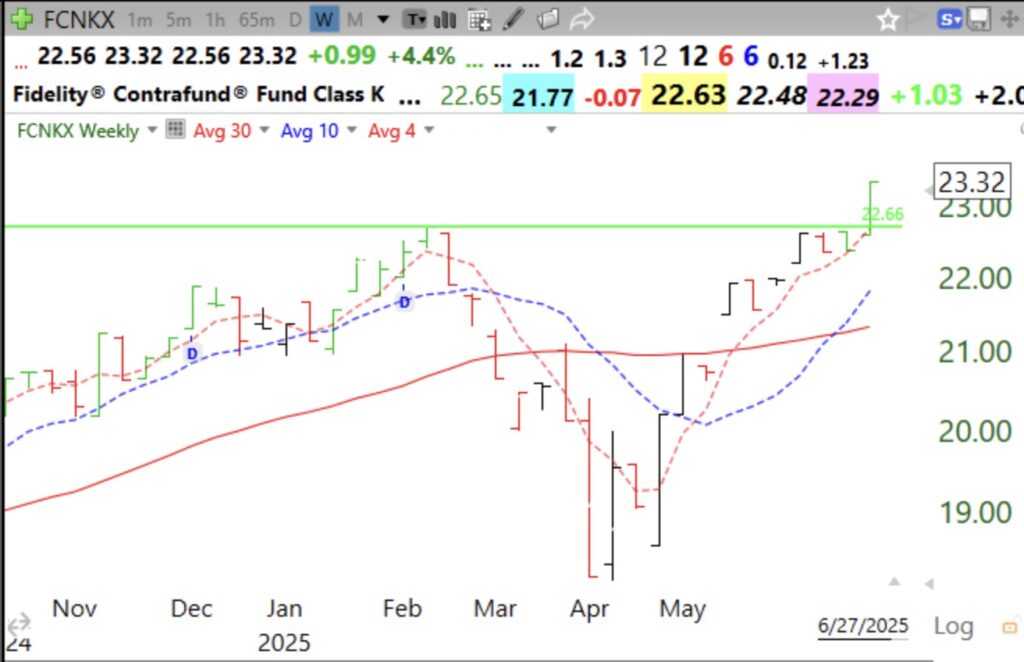
Fidelity Contrafund (FCNTX) – The superstar fund known for its long-term performance.
-
Fidelity Growth Company Fund (FDGRX) – Focuses on growth-driven businesses.
3. Target Date Funds
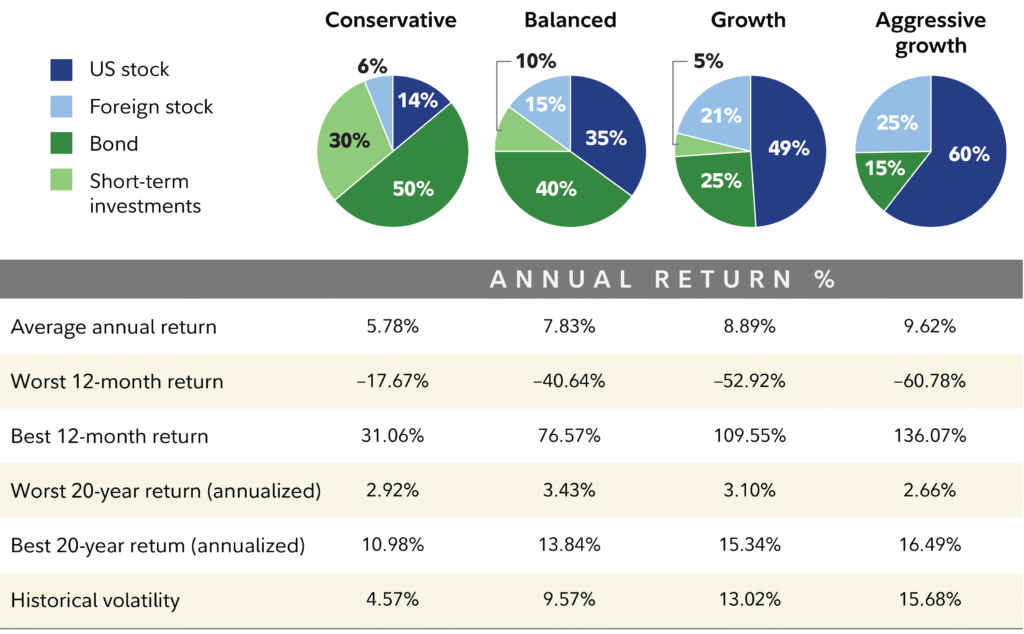
Here’s a gem for the lazy geniuses among us. You pick a retirement year—say 2050—and boom, Fidelity adjusts your fund’s risk over time. Early years = aggressive growth, later years = safe stability.
Example: Fidelity Freedom 2050 Fund (FFFHX).
It’s literally cruise control for your financial future.
4. Specialty and Sector Funds
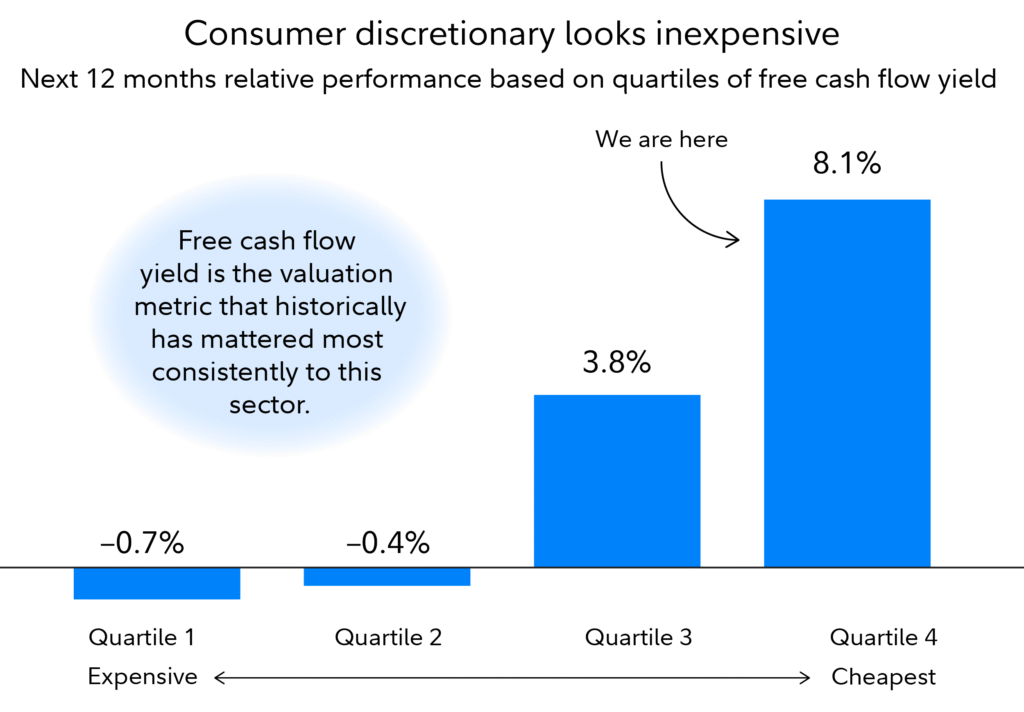
For the adventure seekers, Fidelity’s sector funds let you invest in specific industries—tech, healthcare, energy, and more.
If you believe AI is the next big thing, you can go all-in with a Fidelity Select Technology Portfolio (FSPTX). But remember, higher rewards often come with higher risks—just like spicy food.
Step-by-Step: How to Buy Mutual Funds on Fidelity
Buying mutual funds on Fidelity is as simple as ordering your favorite snack online, minus the guilt.
-
Create or log into your Fidelity account.
-
Go to “Accounts & Trade” > “Trade” > “Mutual Funds.”
-
Search for the fund name, ticker symbol, or objective.
-
Choose how you want to invest—one-time or recurring (SIP style).
-
Confirm order and boom—you’re now a mutual fund investor.
You can even automate your investments, letting money flow in regularly without overthinking market timing.
SIPs, Automatic Investments, and The Lazy Genius Way
Ever heard of the saying, “Don’t time the market, spend time in the market”? Fidelity’s Automatic Investment Plan (AIP) makes that philosophy ridiculously easy to practice.
You can schedule monthly or weekly investments into your chosen funds, set the date, and forget about it. It’s basically your money’s version of autopilot—working tirelessly while you binge-watch Netflix.
The Power of Compounding (aka Your Money’s Superpower)
Honestly, compounding is like financial witchcraft. You invest, you wait, and one day you look back wondering how your modest $100 turned into $10,000. Fidelity’s easy-to-use calculators show this transformation beautifully.
For instance, if you invest $200 monthly in the Fidelity ZERO Total Market Index Fund with an average annual return of 8%, in 25 years you’d have over $170,000. Not bad for something that grows quietly while you live your life.
How Fidelity Stacks Up Against Competitors
Let’s compare Fidelity with a few top rivals to see where it shines.
| Platform | Expense Ratio | Research Tools | Commission-Free Funds | User Experience |
|---|---|---|---|---|
| Fidelity | 0% – 0.75% | Excellent | 3,500+ | Outstanding |
| Vanguard | 0% – 0.75% | Good | 3,000+ | Great |
| Schwab | 0% – 1% | Very Good | 3,300+ | Good |
| T. Rowe Price | 0.5% – 1.16% | Excellent | Limited | Average |
Fidelity nails it with expansive research tools, in-depth fund comparisons, and that unbeatable ZERO-fee lineup.
Insider Tips to Maximize Returns on Fidelity
A few lessons from both personal experience and investor wisdom:
-
Reinvest your dividends. It’s free compounding fuel.
-
Don’t chase hot funds—stick with time-tested performers.
-
Review your portfolio annually.
-
Diversify with both index and active funds for balance.
-
Track expense ratios—they quietly eat returns.
Remember: the tortoise wins, not the hare.
Is Investing in Fidelity Mutual Funds Safe?
Absolutely. Fidelity is among the most regulated, oldest, and most trusted financial companies in the US. Your mutual fund investments are held separately from Fidelity’s assets and overseen by established fund managers.
They’re protected by strict SEC regulations and SIPC insurance for brokerage accounts. Bottom line: your money’s in safe hands—safer than that old piggy bank you still have.
Tax Talk (Because Uncle Sam Never Misses a Party)
Depending on your fund type, here’s what you’ll generally face:
-
Capital gains tax: Applied when you sell for profit.
-
Dividends: Taxed if you receive distributions.
-
Retirement accounts (IRAs, 401(k)s): Enjoy tax advantages.
Pro tip: Use Fidelity’s tax documents and planning tools—they simplify tax headaches like never before.
Common Myths About Fidelity Mutual Funds
Let’s clear some air because, honestly, online chatter can be misleading.
-
“Fidelity is only for rich investors.” Nope! Zero minimums on many funds.
-
“You need to pay account fees.” False. Fidelity has waived commissions for years.
-
“Mutual funds are risky like stocks.” Not exactly; funds diversify risks across assets.
-
“Fidelity is confusing.” Only the first five minutes—after that, it’s smoother than butter.
My Journey So Far with Fidelity
I started with the Fidelity 500 Index Fund a few years ago—my first serious fund purchase. I won’t lie; I checked my returns every other day like a curious kid peeking in a cookie jar.
Over time, I stopped obsessing and just trusted the process. When I finally checked again after a couple of years, my investment had grown quietly—like a cactus thriving in the background. Consistency beats hustle in the investment world any day.
Now, watching those charts climb feels oddly satisfying—like leveling up in a game you never thought you’d master.
FAQs About Mutual Funds on Fidelity
1. Does Fidelity charge fees for mutual fund investing?
Fidelity offers thousands of commission-free mutual funds, including several with zero expense ratios.
2. Can beginners start investing here?
Yes! Fidelity is beginner-friendly with low barriers, tons of free research tools, and automated options.
3. How much do I need to start?
Many Fidelity mutual funds have zero-dollar minimum investments.
4. Are Fidelity mutual funds better than ETFs?
Depends. Mutual funds suit long-term and systematic investors. ETFs work better for frequent trading.
5. Can I set up automatic monthly contributions?
Yes. You can schedule recurring investments easily via Fidelity’s AIP feature.
Final Thoughts: Why Fidelity Just Works
Investing with Fidelity isn’t just about chasing high returns—it’s about peace of mind. It’s reliable, transparent, and offers tools that make even complex financial concepts approachable.
You don’t need to be Warren Buffett to succeed here. All you need is patience, consistency, and maybe a bit of curiosity. Take it from someone who started small and learned by trial and error—Fidelity gives you one of the smoothest rides in the investing world.
So, if your money’s still sitting idle somewhere, maybe it’s time to let it stretch its legs. Log in, explore mutual funds on Fidelity, and start writing your own financial success story—one click at a time.
Ready to invest smarter?
Share your experience or drop questions below—I’d love to hear your story. Let’s help each other build our best financial future.