
Mutual Funds Over 15% CAGR: The Real Game-Changers in Wealth Creation
Ever met someone who bragged, “Bro, my mutual fund gave 16% returns last year”? Yeah, we all have that friend. And while most of us smile politely, deep down, we wonder — are there really mutual funds that can consistently deliver over 15% CAGR (Compound Annual Growth Rate)?
Spoiler: Yes, there are. But they’re not unicorns or lottery tickets. They’re built on solid fundamentals, long-term discipline, and smart fund management. In other words, the kind of investments that make you feel like your money’s doing sit-ups while you sleep.
Let’s dive into the world of high-performance mutual funds — where 15%+ CAGR isn’t a fantasy but a real, achievable milestone (if you play it right).

First, What’s CAGR and Why Does It Matter?
Let’s break it down without the finance jargon.
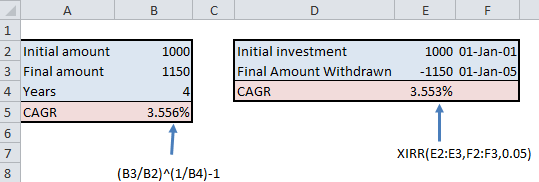
CAGR, or Compound Annual Growth Rate, is like a time machine for your investments—it tells you the average annual growth over time, smoothing out market volatility.
Let’s say you invested Rs. 1 lakh five years ago, and it’s now Rs. 2 lakh. The math says your CAGR is about 14.87%. That means, on average, your money grew nearly 15% every year — not bad, right?
So, when someone says a mutual fund has delivered over 15% CAGR, it means they crushed the market’s average annual growth rate — and that’s serious business.
Why 15% CAGR Is the “Gold Standard” for Wealth Builders
In the long run, 15% CAGR can work miracles. Let’s do a quick reality check.
If you invest Rs. 10,000 per month for 20 years:
-
At 10% CAGR, you’d end up with about Rs. 76 lakhs.
-
At 15% CAGR, that jumps to about Rs. 1.4 crores.
That’s a difference of over Rs. 60 lakhs — all because of smarter fund selection.
Honestly, it’s not magic, it’s math. The power of compounding makes every single percentage count like gold dust.
Mutual Funds That Have Delivered 15%+ CAGR (as of 2025)
Now, let’s talk about real winners — funds that have beaten inflation, the market, and even investor skepticism.
| Fund Name | 10-Year CAGR | Category | Ideal Investment Horizon | Risk Level |
|---|---|---|---|---|
| Parag Parikh Flexi Cap Fund | 17.2% | Flexi Cap | 7+ Years | Moderate |
| Quant ELSS Tax Saver Fund | 18.4% | ELSS | 5+ Years | High |
| Axis Small Cap Fund | 22.1% | Small Cap | 7+ Years | Very High |
| Nippon India Small Cap Fund | 20.8% | Small Cap | 7+ Years | Very High |
| Kotak Emerging Equity Fund | 17.9% | Mid Cap | 6+ Years | High |
| Mirae Asset Large Cap Fund | 15.4% | Large Cap | 5+ Years | Moderate |
| ICICI Prudential Technology Fund | 21.7% | Sectoral (Tech) | 7+ Years | High |
| SBI Small Cap Fund | 20.1% | Small Cap | 6+ Years | Very High |
These funds have not only delivered over 15% CAGR consistently but also survived market crashes (like 2020’s COVID slump) and emerged stronger.
By the way, before you rush to invest, remember: past performance doesn’t guarantee future results, but it sure paints a pretty good picture of consistency.
My First Encounter with a 15%+ Fund
Back in 2018, I stumbled upon the Parag Parikh Flexi Cap Fund through a friend who casually mentioned it had doubled his investments in six years.
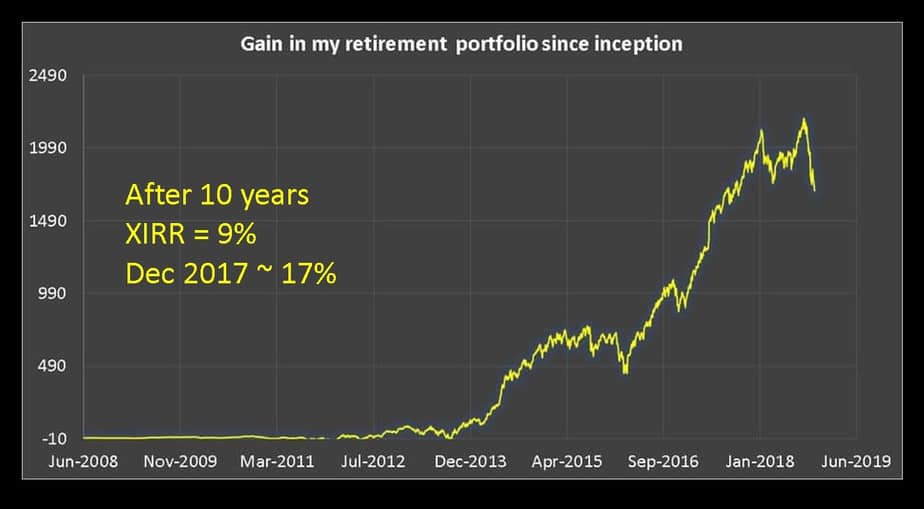
Skeptical but curious, I did my research and started a SIP worth Rs. 2,000/month. Fast forward to 2025 — my modest investment has nearly doubled, with a CAGR hovering around 17%. And the best part? I never once tried to “time” the market.
That experience taught me the golden rule: you don’t need to chase trends. You just need to pick the right vehicle and stay buckled in.
What Makes These Mutual Funds Perform So Well?
Ever wondered why only a handful of funds consistently stay above the 15% mark while others barely cross 10%?
Let’s decode the secret sauce.
1. Smart Stock Selection
These funds don’t follow the herd.
Their fund managers handpick companies with strong fundamentals, high earnings growth, and visionary leadership.
For example, small-cap funds often include hidden gems — companies still under the radar but rapidly growing.
2. Sector Dynamics
Certain sectors (like technology, manufacturing, and infrastructure) have grown faster than the overall economy. Mutual funds focusing on these areas tend to beat average market returns.
It’s like betting on the right horse before everyone else knows it’s fast.
3. Active Fund Management
Contrary to index funds that simply mirror the market, actively managed funds are driven by research, foresight, and timing. Human intuition — when backed by data — can still beat algorithms.
4. Time in the Market
Ever heard the saying, “It’s not timing the market, but time in the market”? The top 15% CAGR funds thrive because their investors stayed loyal. Consistency beats impulsive switching, every time.
Let’s Talk About the Power of SIPs
If you’re thinking, “I don’t have a huge amount to invest,” here’s the thing: you don’t need one.
A Systematic Investment Plan (SIP) into these funds can work wonders.
Let me paint a quick picture: just Rs. 5,000 per month for 15 years, with a 15% CAGR, grows to around Rs. 27.5 lakhs.
That’s the cost of buying a mid-range car cash down — just from disciplined investing.
By the way, increasing your SIP by even 10% every year supercharges your growth. Small steps, massive rewards.
Categories of Mutual Funds That Typically Deliver Over 15% CAGR
Not every mutual fund can hit the 15% mark. So, where do you look?
1. Small-Cap Funds
Small caps are like the energetic startups of the stock market — volatile but full of potential. They usually outperform in bullish cycles.
Top performers here include:
-
Axis Small Cap Fund
-
Nippon India Small Cap Fund
-
SBI Small Cap Fund
High risk, yes — but high return potential too. These funds often deliver 18–22% CAGR during favorable cycles.
2. Mid-Cap Funds
Mid-cap funds balance risk and reward beautifully. They invest in established yet fast-growing companies with room to scale.
Examples:
-
Kotak Emerging Equity Fund
-
PGIM India Midcap Opportunities Fund
They’re less volatile than small caps but can still deliver over 16–18% CAGR long-term.
3. Flexi-Cap Funds
These are the cool chameleons of the investment world. Flexi-cap funds can invest in both large, mid, and small-cap stocks depending on market conditions.
Examples:
-
Parag Parikh Flexi Cap Fund
-
UTI Flexi Cap Fund
If you prefer one fund to rule them all, this category’s for you.
4. Sectoral Funds (Technology, Pharma, Infrastructure)
Sectoral funds can be rocketships when timed well.
Take the ICICI Prudential Technology Fund — it benefited immensely from the post-pandemic digital boom. Similar stories exist in green energy and infrastructure funds today.
But caution: sector rotations can hurt if the trend cools down.
Why Long-Term is the Only Real Key
Let’s be honest — everyone loves quick profits. But sustainable 15% CAGR returns don’t come from hopping around funds every few months.
Markets reward patience just as much as performance.
If you compare a 5-year investor to a 15-year investor in the same high-performing fund, chances are the long-term investor built over twice the wealth.
Why? Because compounding needs time to stretch its legs. The longer your money stays invested, the more exponential your gains become.
Think of it like planting a mango tree — the shade’s worth the wait.
Expert Insights
Fund managers often point out that consistent outperformance comes from companies with earnings compounding above inflation.
So, while you can’t control the market, you can control:
-
Staying invested through cycles,
-
Rebalancing instead of panic-selling, and
-
Choosing funds with strong fundamentals and ethical management.
It’s less about luck, more about discipline.
Common Mistakes Investors Make (and How to Avoid Them)
Here’s where many people trip up:
-
Chasing past performance: Just because a fund gave 20% last year doesn’t mean it’ll repeat that next year.
-
Not tracking expense ratios: High costs can quietly eat into your returns.
-
Panicking during market dips: Corrections aren’t losses unless you sell.
-
Ignoring diversification: Putting all money into small caps can burn even the bravest investors.
Honestly, the market isn’t against you—it’s just indifferent. Your job is to stay calm and focused.
My Personal Formula for a Strong Portfolio
Here’s what worked for me, after years of trial, error, and lots of tea-fueled late-night number-crunching:
-
40% in flexi-cap funds (stability + growth).
-
30% in mid-cap funds (capital appreciation).
-
20% in small-cap funds (high-risk, high-reward).
-
10% in sectoral funds (strategic bets).
That mix helped me stay diversified yet aggressive enough to hit roughly 16–17% average CAGR over the past few years.
And the best part? I didn’t have to check my portfolio daily.

FAQs on Mutual Funds Over 15% CAGR
1. Are 15% CAGR mutual funds safe?
They carry moderate to high risk, especially small- and mid-cap funds. But with a long-term horizon, the risk tends to even out.
2. Can I expect 15% returns every year?
No. CAGR is an average — some years might give 25%, others 5%. The magic happens over time.
3. What’s the minimum investment required?
You can start SIPs with as low as Rs. 100 or Rs. 500 in most platforms.
4. How long should I stay invested?
Ideally 5–10 years or more for compounding to deliver true results.
5. Are these funds better than fixed deposits or gold?
Over the long run, absolutely. Mutual funds (especially equity-heavy ones) outperform traditional options by a wide margin.
Final Thoughts: Consistency is the Real “High CAGR” Secret
Earning over 15% CAGR consistently isn’t just luck — it’s the result of disciplined investing, choosing the right funds, and most importantly, giving your money time to breathe.
The best investors aren’t those who chase quick wins, but those who stay calm through chaos.
So, if you’re ready to grow your wealth faster than inflation and market averages, start today. Pick a good mix of high-CAGR mutual funds, automate your SIPs, and let time — and compounding — do their thing.
Because one day, years from now, you’ll look at your investment statement and smile at the digits multiplying quietly in your favor.
Ready to Begin?
Which high-CAGR mutual fund caught your attention? Drop your thoughts or experiences in the comments below — let’s help each other pick the winners for the next decade!