
Mutual Funds Over Time: How Patience Turns Investments into Wealth
Let’s be honest — most people hate waiting. We want faster Wi-Fi, one-day delivery, and instant noodles that somehow still take too long. But when it comes to mutual funds, the people who master the art of waiting — of letting their money simmer over time — are the ones who walk away smiling decades later.
The truth? Mutual funds aren’t a “get rich quick” trick. They’re more like slow-cooked biryani — the aroma (returns) gets better only when you give it time.
By the way, I didn’t always believe this. Like many beginners, I wanted to double my money overnight — until I discovered what “over time” really means in the world of investing. Let me tell you that story.
My First Wake-Up Call About Time and Money
Flashback to 2015 — I had just landed my first job and decided to “become an investor.” Sounds fancy, right? Except I had no clue how mutual funds worked. I invested a lump sum in a random equity fund someone mentioned over coffee, hoping to triple my money in a year.
One year later, my investment had grown… by 2.4%. I was furious.
That’s when a financial mentor (read: my cousin who actually studied finance) told me, “Stop checking your returns like you’re baking a cake. Mutual funds grow over time, not overnight.”
And boy, was he right. Fast forward to today — that same fund, thanks to patience and SIPs, has grown more than 3x. Not magic. Just time and compounding doing their quiet thing.
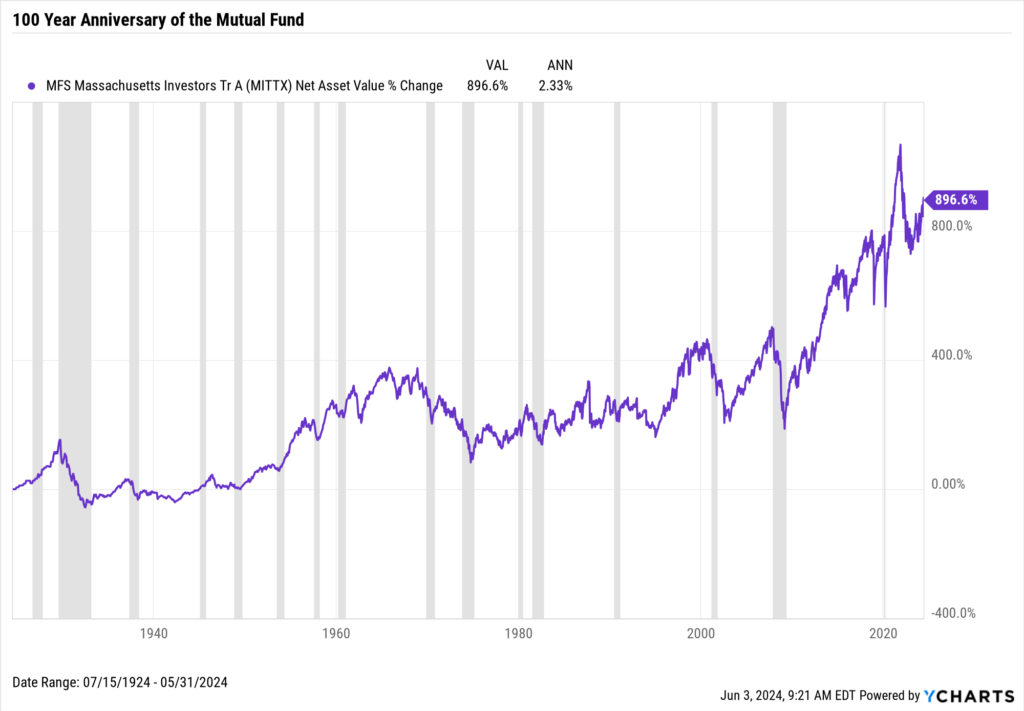
The Golden Formula: Time + Compounding = Wealth
If investing had a secret recipe, it would be this: Time in the market beats timing the market.
You’ve probably heard this line before, but let’s unpack it.
Time acts like a magnifying glass — it takes small, consistent efforts and amplifies them. Add compounding to the mix, and your returns start earning returns. It’s money making babies, and those babies making more babies.
Example Time
Let’s say you invest Rs. 10,000 per month for 10 years at 12% growth — that’s roughly Rs. 23 lakhs at the end.
Now, keep going for another 10 years? Boom, your total jumps to almost Rs. 75 lakhs.
You didn’t triple your investment; time did the heavy lifting.
Honestly, compounding is the closest thing we humans have to time travel — it rewards the patient version of you in the future for what the disciplined version does today.
Why Mutual Funds Are the Perfect Long-Term Partner
Mutual funds are built for growth over time. They align perfectly with human goals that naturally unfold slowly — buying a house, funding kids’ education, preparing for retirement.
Here’s why:
-
Diversification protects you when markets shift.
-
Professional management ensures smart decisions over decades.
-
Ease of SIP investing complements monthly income.
-
Tax efficiency favors holding longer.
In short — mutual funds don’t compete with time; they dance with it.
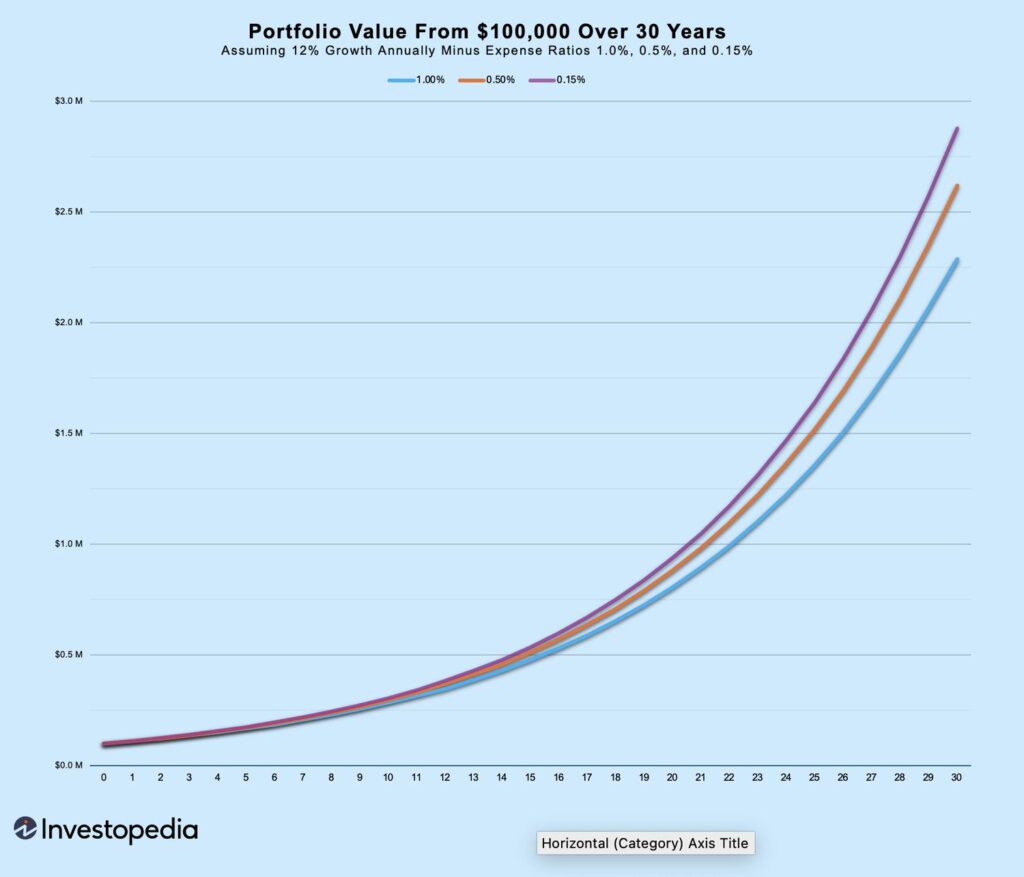
Understanding How Mutual Funds Perform Over Time
Let’s get a bit practical. Here’s how typical mutual fund categories perform when you give them time to grow.
| Fund Type | Ideal Holding Period | Historical CAGR (10+ Years) | Best For |
|---|---|---|---|
| Equity Mutual Funds | 7–15 years | 12–16% | Long-term wealth creation |
| Hybrid Funds | 5–10 years | 10–13% | Balanced risk takers |
| Debt Funds | 2–5 years | 6–9% | Capital preservation |
| ELSS (Tax Saving Funds) | 5+ years | 12–14% | Tax-savvy investors |
| Index Funds | 10+ years | 11–13% | Passive, steady growth seekers |
Notice a pattern? The longer your money stays invested, the smoother the returns become. Market fluctuations start to blur into gentle waves.
By the way, equities may look volatile in a one-year graph, but stretch that line to 15 years — and it becomes a beautiful upward slope.
The Market’s Mood Swings Over Time
Let’s be realistic. Markets have moods. Some days they’re euphoric, and on others, they sulk like a toddler denied candy.
But here’s what’s interesting: over long stretches, markets always recover — and grow stronger. Mutual funds, especially diversified ones, capture that recovery and reward those who didn’t panic-sell.
I’ve seen friends redeem during every dip, betting they’d “reinvest when things calm down.” They never did — and those who stayed? They doubled or tripled their corpus.
It’s kind of poetic, isn’t it? Money grows best when you give it silence and time.
The Five Stages of Mutual Fund Growth Over Time
If we personified your mutual fund journey, it would go like this:
1. The Awkward Beginning (Year 1–3)
You invest, you feel excited. Then markets dip and suddenly, your portfolio looks like a sad emoji. You start questioning everything.
This phase tests your patience harder than your gym trainer does your abs.
2. The Settling In (Year 4–6)
Returns stabilize. SIPs start snowballing. You see green numbers more often. You begin to trust the process.
3. The Compounding Kick-In (Year 7–10)
Here’s where the fun begins. Growth feels exponential, like suddenly your money just figured out steroids (legal ones).
4. The Confidence Peak (Year 11–15)
You stop obsessing over market news. You’re now bragging to friends about staying invested.
5. The Legacy Stage (Year 15+)
Your corpus hits serious numbers. You start thinking about wealth transfer, new goals, or even early retirement.
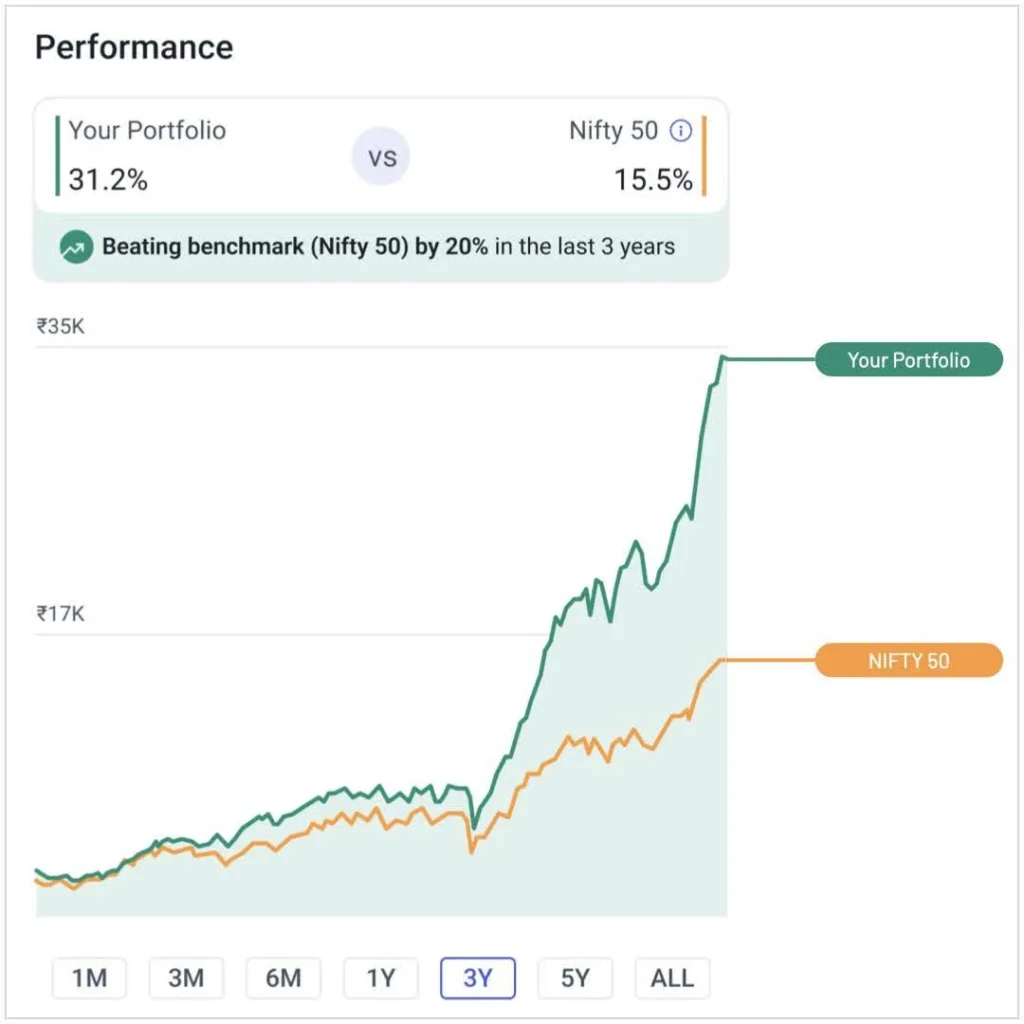
That’s the power of consistency stretched across two decades — or, as I call it, financial patience personified.
How Long-Term Mutual Fund Holders Beat Everyone Else
I recently read a fascinating statistic: if you invested in a good equity mutual fund in 2005 and stayed for 20 years, you’d have earned 4x more than someone who jumped in and out based on fear or greed.
Even missing the market’s 10 best-performing days can dramatically reduce returns. In short, frequent exits break the compounding cycle.
One fund manager once told me, “Markets reward commitment, not curiosity.” That quote lives rent-free in my mind.
Real-Life Example: The “Sleep-on-It” Investor
Meet Ravi. He started investing Rs. 3,000/month in 2003 in a large-cap mutual fund. He never increased it, never withdrew, never meddled.
By 2025, over 22 years, his total investment (Rs. 7.9 lakh) became worth over Rs. 36 lakh.
Meanwhile, his friend Sameer kept redeeming and re-entering, ending with barely Rs. 20 lakh — despite investing the same amount.
See, the secret wasn’t in picking funds; it was in picking a timeline.
Compounding Is the Eighth Wonder of the World
Albert Einstein allegedly called compounding “the eighth wonder of the world.” Whether he truly said it or not, he wasn’t wrong.
Every year, your previous year’s returns start earning returns themselves. Over time, even modest SIPs turn into serious wealth.
Think of it this way — short-term investing is dating. Long-term investing is marriage. Compounding is like love in that equation — slow, deep, and immensely rewarding when nurtured.
How Mutual Funds Mature Over Time
What’s particularly satisfying about long-term funds is how they “age elegantly.” Their portfolios evolve, fund managers adapt, and market sectors shift, but the performance rhythm endures.
Take veterans like:
-
UTI Mastershare (launched 1986)
-
HDFC Balanced Advantage Fund (since 1994)
-
Franklin India Bluechip Fund (since 1993)
They’ve survived multiple global crises. That consistency doesn’t come from luck — it’s proof of solid fund philosophy combined with long-term market understanding.
Avoiding Short-Term Pitfalls
If patience was a stock, it would be the highest-performing asset of all. But unfortunately, it’s scarce.
Here’s what derails most investors before the magic of time kicks in:
-
Checking NAV daily: Seriously, stop.
-
Falling for trending sectors: FOMO isn’t a strategy.
-
Redeeming impulsively during dips: Every dip has eventually reversed — every single one.
-
Not increasing SIPs: Inflation hates you; increasing your SIP is how you fight back.
-
Chasing high returns every year: Mutual funds grow steadily, not dramatically.
Honestly, the biggest enemy of mutual fund growth isn’t the market — it’s impatience.
The Emotional Side of Long-Term Investing
You might think mutual funds are all about numbers, but they teach something deeper — emotional balance.
Over time, they train you to stay calm amid chaos, detached during euphoria, and consistent during uncertainty.
Every market dip strengthens your emotional resilience. And that, my friend, spills over into life too.
After all, investing isn’t just wealth-building — it’s character-building.
The Science Behind Time in Mutual Funds
Let’s look at how time mathematically de-risks your investment.
When you invest for:
-
1 year: You face high volatility.
-
5 years: Fluctuations start smoothing out.
-
10 years: Returns stabilize toward long-term averages (~12–15% for equity).
-
20+ years: Market risk nearly disappears compared to returns earned.
That’s because economic growth averages out even the wildest market cycles if you give it enough time.
Even the world’s greatest investors — Warren Buffett, Peter Lynch — built wealth gradually, not instantly. They didn’t own “hot stocks”; they owned time.
The Beauty of SIPs Over Time
If one thing makes long-term investing easy for regular people, it’s SIPs (Systematic Investment Plans).
Here’s why SIPs are practically time’s best friend:
-
They turn market volatility into opportunity.
-
They automate wealth building (no timing stress).
-
They increase affordability — small bits become big sums.
By the way, SIPs are like Netflix subscriptions for your financial goals — small, consistent, and surprisingly effective if you stick with them for years.
Mutual Funds Over Time: Real Numbers Don’t Lie
Here are some stats that prove how patience pays big over the years:
-
Equity mutual funds held for over 10 years average 12–17% returns, crushing inflation and bank FDs.
-
Investors who stayed invested in SIPs for 15+ years saw 3–4x wealth growth compared to those who paused during market downturns.
-
In India, long-term mutual fund holders have historically doubled wealth every 6–8 years at a 15% CAGR rate.
That’s time doing its quiet magic — unflashy, relentless, and deeply reliable.
What to Expect as a Long-Term Mutual Fund Investor
Here’s the honest timeline roadmap:
-
1–3 Years: Expect turbulence. Stay put.
-
4–7 Years: Returns start feeling rewarding.
-
8–12 Years: Compounding accelerates.
-
13–20 Years: Your “Wow” stage arrives.
By the way, if you ever feel impatient, just visualize your portfolio as a sapling. Would you dig it up every month to check if it’s growing? Exactly.
Expert Tip: Marrying Time with Goals
Want to make the most of mutual funds over time? Tie them to specific goals.
-
Education for kids (15–18 years) → Equity mutual funds.
-
Buying a home (7–10 years) → Hybrid or balanced advantage funds.
-
Retirement (20+ years) → Equity index + multi-cap SIP combos.
-
Vacation or car (3–5 years) → Short-term debt or hybrid funds.
When your money has a mission, you’ll naturally give it enough time to grow.
FAQs About Mutual Funds Over Time
1. How long should I stay invested in mutual funds for good returns?
Ideally, 7–10 years for equity funds; 3–5 years for hybrids and debt funds. Longer durations mean smoother growth.
2. Is long-term investing always profitable?
Historically, yes. Equities held for 10–15+ years have consistently beaten inflation and fixed deposits.
3. Should I change mutual funds frequently?
No. Stick with consistent performers. Rebalancing every few years is fine, but constant switching kills returns.
4. What’s the best way to stay invested long term?
Automate SIPs and link them to financial goals. Avoid checking returns too often.
5. Are mutual funds safer over time?
Yes — time mitigates short-term risks. The longer you stay, the less market volatility affects returns.
Final Thoughts: Let Time Do the Heavy Lifting
If there’s one undeniable truth about mutual funds, it’s this — time is your most faithful investment partner.
It doesn’t matter when you start, but how long you stay. Every year adds a compounding layer that quietly multiplies your wealth in the background while life unfolds.
So, stop chasing “what’s the best fund for this month” and start thinking, “How will this fund serve me 20 years from now?”
Give your money time to breathe, time to heal after every crash, and time to flourish. You’ll be amazed at what happens when you simply stay the course.
Ready to Start Your Journey?
If this article hit home, here’s your next step: start a small SIP today. Then, vow to let it grow untouched for at least a decade.
Drop your thoughts below — how long have you stayed invested so far? Or are you just starting your compounding journey? Let’s talk time and transformation in the comments.