
Loan Estimate Demystified: What It Really Means (And Why You Should Care)
Loan Estimate Demystified: What It Really Means (And Why You Should Care)
You know that moment when you’re super excited about buying your dream home, and then—bam—your lender sends you a document called a Loan Estimate? You stare at it like it’s written in another language. APR, closing costs, origination fees… what does any of that even mean?
Yep, we’ve all been there. I remember my first encounter with one—it felt like decoding an ancient scroll with fine print that threatened my sanity. But once I figured it out, things got way less scary. Let’s dive in and make sense of the mystery behind this crucial piece of paperwork.
What Is a Loan Estimate (In Plain English)?
A loan estimate is basically your lender’s way of saying, “Here’s what this loan’s gonna cost you, so no surprises later.”
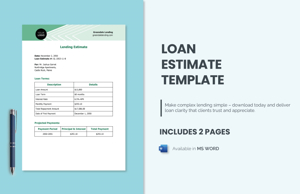
It’s a standardized, three-page document that outlines your estimated interest rate, monthly payments, and all those “fun” costs (like taxes, insurance, and closing fees). You’ll get it within three business days of applying for a mortgage. Think of it as a movie trailer for your mortgage—just enough info to see if you’re interested, but no spoilers yet.
By the way, lenders are legally required to give you one. So if they don’t, that’s a red flag waving brighter than a Vegas strip light.
Why It Matters (More Than You Think)
Here’s the deal: your loan estimate lets you compare apples to apples when shopping for mortgages. Without it, you could end up paying thousands more just because you didn’t read the fine print.
For instance, I once helped my cousin apply for two mortgage quotes. On paper, both interest rates looked nearly identical. But when we cracked open the loan estimates, one lender had sneakily padded their “processing fees” by $4,000. Yeah, ouch.
So, don’t sleep on this document—it’s your money’s bodyguard.
Page-by-Page Breakdown (So You Don’t Lose Your Sanity)
Page 1: The Snapshot
This is your quick-glance version of the deal. You’ll see:
-
Loan amount and term (like $350,000 over 30 years)
-
Interest rate and monthly payment estimate
-
Whether that rate can change
-
Estimated taxes and insurance
Simple tip? Focus on the monthly cost more than the interest rate. A lower rate might still mean higher overall payments if the fees stack up.

Page 2: The Nitty-Gritty
Welcome to the fee jungle. This page itemizes:
-
Origination fees (what the lender charges to start your loan)
-
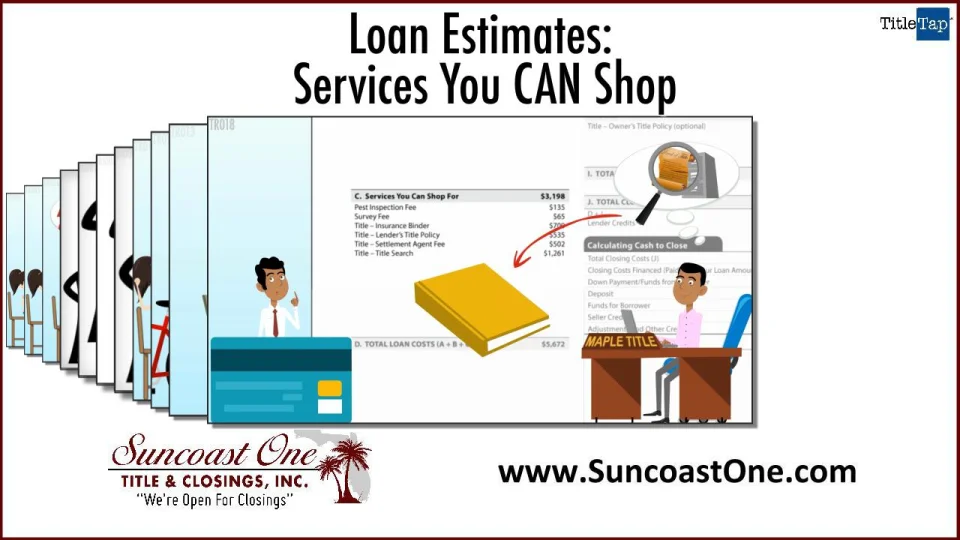
Services you can shop for (title insurance, pest inspection, etc.)
-
Services you can’t shop for (appraisal, credit report fees)
By the way, “services you can shop for” is a hint that you should. A little homework here could save you hundreds.
Page 3: The Numbers That Really Count
This page shows the total cost of your loan over time, plus comparison and closing details. So yes, it’s where you learn how much your “dream home” actually costs once interest joins the party.
If that number makes your stomach drop, welcome to adulthood. But knowledge is power, and this page gives you plenty of it.
Common Questions (Because Everyone Googles These)
What’s the difference between a Loan Estimate and a Closing Disclosure?
A Loan Estimate shows what you can expect to pay. A Closing Disclosure shows what you will actually pay after everything’s finalized. Think of one as the preview and the other as the final bill.
Can a lender change their estimate?
Yep—but only within certain limits. If your credit score changes, or you modify the loan amount, the lender can issue a revised estimate. Just make sure every change is documented.
How long is a Loan Estimate good for?
Usually 10 business days. After that, prices can shift like airline tickets—so move fast if the numbers look good.
Real-Life Story: My Mortgage Wake-Up Call
When I bought my first house, I thought all lenders were basically the same. Big mistake.
I went with the first lender who pre-approved me, didn’t question a single number, and nearly ended up overpaying by five grand in closing costs. Only after comparing loan estimates (with a strong cup of coffee and a skeptical friend) did I realize how wildly different terms could be.
That’s when I learned: loan estimates are negotiation tools, not just paperwork. If one lender’s fees look high, you can absolutely use another’s estimate to ask for a match or better offer. It works more often than you think.
Quick Tips for Comparing Loan Estimates
-
Don’t fixate on the interest rate. Look at the “comparisons” section—it reveals total cost over five years.
-
Spot the junk fees. If a charge looks weird (like “document preparation input fee”), question it.
-
Ask about lender credits. Sometimes, they’ll lower your closing costs if you accept a slightly higher rate.
-
Check for prepayment penalties. You want the freedom to refinance or pay early without extra charges.
-
Verify the lock period. Shorter locks might mean a lower rate—but riskier timing if delays hit.

Fun Fact: The CFPB Made This Simpler (Finally)
Before 2015, you’d get a “Good Faith Estimate” and a “Truth in Lending” disclosure—two separate documents that confused everyone.
Then the Consumer Financial Protection Bureau (CFPB) said, “Let’s simplify this mess.” Now you just get the Loan Estimate and a Closing Disclosure. You’re welcome, homebuyers.
Red Flags to Watch Out For
-
The lender won’t give you a loan estimate without you committing first (illegal move).
-
Numbers that shift dramatically between your estimate and closing (unless your situation changed).
-
Missing APR or total interest percentage (yep, that’s shady).
How to Use It Like a Pro
Here’s a strategy I swear by: line up three loan estimates side by side. Compare the total loan amount, costs over five years, and APRs. Then call the lender you like best and negotiate.
Something like: “Hey, another lender offered a lower origination fee—can you match it?” Works wonders.
Because remember, you’re the client, not the newbie begging for approval.
Expert Insight: What Mortgage Pros Say
Mortgage advisors often emphasize two things:
-
Read before signing. Many borrowers rush through and miss fee increases.
-
Ask for clarification. The CFPB literally encourages questions—so use that right.
A good lender welcomes your curiosity. A bad one gets defensive. You can guess which one to walk away from.
FAQs for Quick Reference
1. Can I get multiple loan estimates?
Absolutely—and you should. It won’t hurt your credit if done within a short timeframe.
2. How soon after applying do I get one?
Within three business days. If not, call them out.
3. What if the numbers look off?
Request a revised estimate or talk directly to the loan officer to clarify discrepancies.
4. Is it binding?
Nope—it’s an estimate. But it does set expectations and keeps lenders honest.

Wrapping It Up (Before You Go Check Zillow Again)
Loan estimates might look intimidating, but once you break them down, they’re your best friend in the mortgage world. They keep shady fees in check, empower you to compare offers smartly, and help you save thousands.
By the way, next time you get one—grab a coffee, print it out, and highlight the key parts. You’ll thank yourself later when you’re signing the final papers with confidence instead of confusion.