
Health Insurance: Because Hospital Bills Don’t Come With a Warning
Let’s play pretend for a second. Imagine waking up one morning feeling slightly off, thinking it’s probably “just gas” (because that’s what we all think). Next thing you know — you’re lying in a hospital bed, hooked to machines, with a doctor saying, “Sir, we’ll need to admit you for three days.”
Sounds dramatic, right? But here’s the kicker: life works like that. One day you’re arguing with your friend about cricket scores, and the next, you’re calculating how to pay a ₹1.2 lakh hospital bill. Enter the real superhero of this story — health insurance.
What Exactly Is Health Insurance (And Why You Need It Yesterday)
In simple words, health insurance is your financial parachute when life decides to drop you from 10,000 feet without warning. It’s a policy that covers your medical and hospitalization costs, easing the burden on your wallet while you focus on getting better.
Think of it like Netflix for your health — you may not use it every day, but when you need it, it’s worth every rupee.
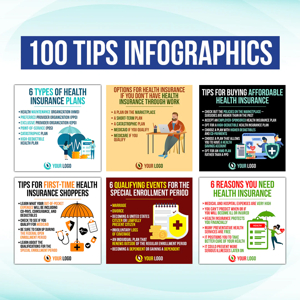
By the way, considering how medical costs are skyrocketing (seriously, who knew a room in a good hospital now rivals a five-star hotel?), not having health insurance today is like going on a road trip with no fuel — you’ll regret it halfway.
Why Health Insurance Is a Non-Negotiable Necessity
Let’s be honest — unless you’re a billionaire, medical emergencies can knock your finances flat.
-
Hospitalization is expensive. A simple surgery can cost ₹1.5–₹10 lakh today.
-
Health shocks come uninvited. Lifestyle diseases like diabetes, heart ailments, and cancer are running wild.
-
Peace of mind matters. Knowing you’re protected means one less sleepless night.
And, here’s the real deal — you don’t buy health insurance for today. You buy it for that one day when you need it most.
Let’s Dive Into the Types of Health Insurance (Because Choices Matter)
Now, if the words “policy types” make you want to nap, hang in there. Think of this as a buffet. Different plates for different life situations. All tasty, some spicy.
1. Individual Health Insurance
This one’s simple. It covers just you. Perfect for singles or anyone wanting independent coverage. Premiums depend on factors like your age, health, and habits (yes, your midnight junk food addiction counts!).
2. Family Floater Health Insurance
As the name suggests, it floats across your whole family. One policy, one premium, one sigh of relief. It’s cheaper than buying separate policies and ideal for couples with kids.
3. Senior Citizen Health Insurance
Aka “Retirement’s Bodyguard.” Designed for parents or anyone 60+, this policy covers higher medical risks and pre-existing diseases. Sure, the premiums are a bit steep, but so are healthcare costs post-retirement.
4. Critical Illness Insurance
Now this one’s a life-saver (literally). It gives a lump-sum payout upon diagnosis of serious illnesses like cancer, heart attack, or kidney failure. You don’t need to be hospitalized to claim — just a valid diagnosis.
5. Maternity Health Insurance
Expecting a baby? Congrats — and brace yourself for bills! Maternity health plans cover prenatal checkups, delivery, and postnatal care. Some even cover newborn expenses for up to 90 days.
6. Group Health Insurance
Usually offered by employers. Covers employees under a single plan, often with low premiums (sometimes free). Great perk, but coverage ends when you switch jobs, so always have a backup policy.
7. Top-Up and Super Top-Up Plans
Think of these as your second innings. When your base plan’s limit runs out, these kick in seamlessly to maintain coverage without high premiums.
8. Personal Accident Insurance
Accidents happen. This plan compensates for death or disability resulting from one. It’s not fun to think about — but trust me, it’s practical.
9. Disease-Specific Policies

Specialized plans for illnesses like cancer, diabetes, or even COVID-19. They’re custom-built for people at higher risk.
The Real-Life Story: When Health Insurance Saved My Savings
Back in 2020, my uncle — a perfectly healthy man who jogged every morning — had a sudden cardiac emergency. The hospital bill: ₹5.8 lakh. The worried faces: priceless. But here’s the twist — his health insurance picked up every rupee. He returned home stress-free.
Meanwhile, his uninsured neighbor spent his entire savings and borrowed money just to survive the same ordeal. That’s when it hit me — insurance isn’t an expense; it’s protection in disguise.
health insurance, pa health insurance, health insurance 101, health insurance app, health insurance news, star health insurance, best health insurance, health insurance exam, care health insurance, health insurance claim, health insurance guide, health insurance cover, health insurance india, health insurance agent, united health insurance, assure health insurance, health insurance method, mental health insurance, health insurance policy, why star health insurance, best health insurance app
Top Benefits (That’ll Make You Rethink Your Priorities)
-
Covers big-ticket bills: From surgeries to ICU stays, it’s all handled.
-
Cashless hospital network: No swiping credit cards mid-heart attack.
-
Tax benefits: Section 80D lets you deduct up to ₹75,000 for premiums.
-
Free health check-ups: Some policies actually reward you for staying healthy.
-
Global coverage: Many modern plans even cover treatments abroad.
Things Nobody Tells You (But Should)
-
Start early. The younger you are, the cheaper it gets.
-
Pre-existing diseases matter. Declare them honestly — hiding may cost you claims later.
-
Avoid choosing only the cheapest plan. Sometimes, cheap coverage equals cheaper benefits.
-
Read exclusions. No one wants a surprise like “plastic surgery not covered” after you’ve already done it.
How to Choose the Right Health Plan (Minus the Confusion)
-
Calculate your needs. Family, medical history, lifestyle — it all counts.
-
Check the claim settlement ratio. Over 90% = trustworthy insurer.
-
Compare premiums and benefits. Always cross-check online.
-
Look for lifetime renewability. Because, hey, health doesn’t come with an expiry date.
-
Understand waiting periods. Most plans have one for pre-existing or maternity cases.
Common Myths That Deserve to Be Busted
Myth 1: “I don’t need insurance; my employer covers me.”
Reality: That coverage ends the moment you change jobs.
Myth 2: “Health insurance is too expensive.”
Reality: So are medical bills — only 10x more painful.
Myth 3: “I’m young and fit, nothing will happen.”
Reality: Accidents and viruses don’t check your age.
Quick FAQs for You (and Google)
1. What is health insurance?
A contract that covers medical and hospitalization costs to reduce out-of-pocket expenses.
2. What are the main types?
Individual, Family Floater, Critical Illness, Senior Citizen, and Group health plans.
3. Is health insurance mandatory in India?
Not legally, but it’s strongly recommended for financial safety.
4. Can I claim tax benefits?
Absolutely! Under Section 80D, you can claim up to ₹25,000 for self/family and ₹50,000 more for senior citizens.
5. How does cashless hospitalization work?
You show your health card at a networked hospital, and the insurer handles bills directly.
My Honest Take: Don’t Wait for “Someday”
Here’s the truth — buying health insurance isn’t some elite adult move; it’s survival math. Because the day you need it, nothing else matters except being covered.
Honestly, it’s one of those things in life that you hesitate to buy… until the day you thank yourself for buying it.