Hey you — yes, you tapping through apps at midnight… Let’s talk about loan apps.
Why I’m writing this
Last year, I was in a bit of a pickle: phone died, repair shop demanded cash up-front, and I had to borrow just to get back online (yes, first-world problem, but still). I downloaded a loan app, thought “Hey, how hard can it be?”, and found out the answer: a whirlwind of interest rates, confusing terms, and a gut-feeling that maybe I was handing over more of my wallet than I bargained for.
This post is for you (and me) — anyone who’s ever wondered: “Are these loan apps legit? How do they work? What should I watch out for?” I’ll walk you through the story-style of how loan apps function, the good, the bad, and the quirky. And yes — we’ll keep things conversational (trust me, no bank-speak).
By the way, when I say “loan app” I’m broadly referring to digital lending platforms you access via smartphone (in India or elsewhere) — we’ll touch on how they work here too.
What is a loan app — in plain English
In the old days you’d walk into a bank, clutch sweaty papers, wait in lines, sign in triplicate. Today, a loan app tries to squeeze all that into your smartphone’s palm.
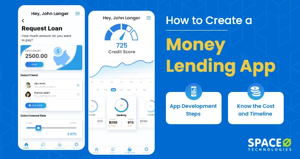
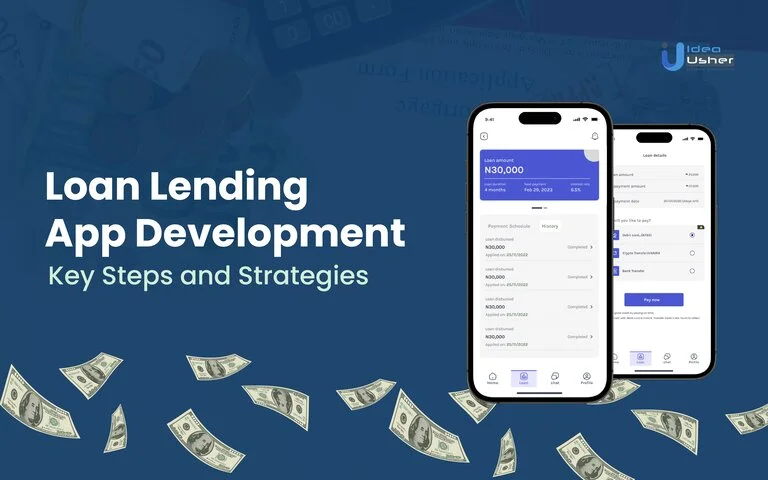
Put simply: you download the app → register/login → apply for a loan amount → await approval → get funds (sometimes fast) → repay via EMIs or whatever plan.
That doesn’t mean every step is simple, but the promise is speed + convenience. For example, one source says mobile loans can be processed far quicker than traditional bank loans.
Let’s dive into how they actually work.
How do they actually work — step by step
Here’s a typical flow, and yes, I’ll pepper in my own style (because why not):
-
Install & register — You sign up with your phone number/email, upload KYC documents, maybe link your bank account.
-
Application — You pick how much you need, choose tenure, submit a few details.
-
Verification & underwriting — The app (or lender behind it) checks your creditworthiness, perhaps via alternative data (spending habits, etc). According to research, efficient loan apps automate this.
-
Approval & disbursement — If all goes well: money arrives in your account. Many apps boast “instant” or “within 24 hours” disbursal.
-
Repayment — You pay EMIs or complete the repayment per the terms; the app may send push notifications about due dates.
In my case? I got the money within a few hours — but then I also got three reminders in one day that it was due “tomorrow”. My stomach sank. Lesson: convenience comes with responsibility.
Why folks love them (including me, sometimes)
-
Speed: As mentioned — like the bank on fast-forward.
-
Convenience: No visits, no long queues; apply from your couch (I had socks off, by the way).
-
Accessibility: Even if you don’t have thick files of documentation, some apps accept lighter forms. Transparency (in some cases): Some apps list interest, tenure, EMI clearly (though I’ll caveat “in some cases”).
So yeah — when you’re in a hurry, these apps can feel like a comfy red carpet instead of the rigid bank waiting room.
The flip side — what makes me pause
Not all sunshine and reward points. Here are some things to watch (and I say this from stepping into the trap once):
-
High interest / hidden costs: Some apps might have seemingly low initial rates but attach fees, or the structure isn’t clear.
-
Predatory behavior: Warning bells exist — there are reports of “loan apps” that turn into debt traps. Repayment pressure: If you miss a payment, penalties can escalate.
-
Privacy/security risks: Giving your bank details, linking accounts — if the app is shady, you might be handing over more than you intend.
-
Temptation to borrow more: Because it’s so easy, you might borrow impulsively.
In my story: I took the loan for one urgent thing and ended up borrowing again because I saw how simple it was. Big mistake. So, yes — treat convenience like a tool, not a shortcut.
What features make a good loan app
If I were choosing again (and I am, carefully), here are the features I’d look for — and you should too. These are based on expert-backed insights + personal judgement.
-
Easy signup + 2-FA (two-factor authentication) so you know the app is secure.
-
Clear loan application flow: how much, how long, what interest — no vague language.
-
Transparent fees, no hidden charges.
-
Push notifications / reminders for repayment so you don’t forget.
-
Support/customer service: in-app chat or help desk.
-
Data security: ensures your banking info, documents are encrypted/protected.
-
Good reputation + legitimate registration/licensing (a bit of detective work pays off).
When both your wallet and your brain feel safe — that’s when the app is winning.
My personal anecdote, to keep it real
Alright — quick memory rewind:
It was a Sunday night. My phone charger blew up, I needed a replacement and I had an urgent call to join in. Lo and behold: “100% instant loan” jumped up on my screen. I said, “Cool”. I applied. Funds came. I bought the charger, joined the call. Happy ending? Almost.
Then I saw the EMI amount. My budget had to readjust. I started watching how the interest added up fast. Like a snowball down a hill. I realized “Hey, convenience has a price”.
That taught me: treat these “instant” apps as short-term bridge solutions, not a lifestyle switch.
7 Questions I asked (and you should ask) before hitting Apply
Let’s cut to the chase: before you tap that big “Borrow” button, run through this checklist:
-
What’s the interest rate & how is it calculated?
-
What’s the tenure/repayment schedule? Do I have flexibility?
-
What are all the fees? Origination fee, late fee, hidden charges?
-
How soon is the money disbursed and to which account?
-
What happens if I miss a payment? Penalties can hurt.
-
Is my data safe? Which permissions does the app ask for?
-
Is the lender/licensor legitimate? Quick Google check for reviews helps.
If you can answer these clearly — you’re ahead of many folks who apply blindly.

Story trope: Borrowing Like Renting a Scooter
Borrowing via a loan app is like renting an e-scooter around town. You hop on because it’s fun and fast. It’ll get you where you want. But: you must check the battery, know the return cost, watch the time-limit, and understand how steep the penalty is if you crash or don’t return it on time.
Same with the loan app: great for short trips (urgent cash), not so good for long rides if you’re not aware of the full fare.

SEO/Insights: What savvy readers (like you) are asking
“Is using a loan app safe?”
Short answer: Generally yes — if you pick a reputable one, read terms, protect your data. There are risks though. For example, some apps operate in grey zones.
“Why do some loan apps approve so fast?”
Because automation, credit-scoring algorithms and minimal documentation let them speed up decisions. Some apps streamline/manual overhead is low.
“What’s the catch with instant disbursal?”
Mostly: higher interest, fewer protective checks (for the lender), tighter repayment terms. Instant access often means higher cost (think of it like express shipping for your money).
“Can I build a loan app? What features would it need?”
Yes. Key features: registration/login, loan application, document verification, credit-scoring module, push notifications, repayment tracking.
Tips for you if you use a loan app
-
Borrow only what you actually need — not what the app offers just because you’re “eligible” for more.
-
Set reminders (or enable the app’s notifications) for repayment dates.
-
Keep track of how much total you’ll pay back (principal + interest + fees).
-
Check if there’s penalty for early repayment (you may save interest by closing early).
-
Review the app’s permissions & data usage. Don’t give more access than needed.
My verdict — honest and unfiltered
Using a good loan app? It can be a lifesaver. Using a bad one (or using one badly)? That can turn into a regret-fest.
If I were to sum up: treat it like a fire extinguisher — use it when you need it, store it safely, but don’t build your house on it.
Because financial well-being isn’t about quick fixes alone — it’s about making smart decisions under stress. And ironically, when things feel urgent, that’s when you most need to pause and think.

CTA: Your turn
Have you used a loan app recently? What was your experience — smooth sailing or shocking wake-up call? Comment below and share your story (or ask questions). I’d love to hear what you went through — the good, the bad, the “why-did-I-just-tap-that ?” moments.
Also: if you’re thinking of one now and want help comparing options or reading fine print, drop me a message and I’ll try to help.
FAQ (quick answers to boost your knowledge)
Q1. Are loan apps legal in India?
Yes — many are. But legality doesn’t always mean low cost or transparent terms. Always check if the lender is registered/licensed.
Q2. Can my credit score suffer if I apply via a loan app?
Yes. If you default or repay late, it will impact your credit history. Also, multiple applications might show up as hard inquiries.
Q3. Is instant approval a red flag?
Not necessarily — many legit apps have automated credit scoring. But very high amounts, zero verification or no transparency are warning signs.
Q4. Can I repay early and save interest?
Some apps/lenders allow this but check if there’s any pre-payment penalty or extra fees.
Q5. What if I default?
Expect late fees, penalties, possible legal action. Always read the “default” terms before signing up.