How to Become a Loan Officer
Introduction: Why Becoming a Loan Officer Might Just Be Your Next Best Career Move
-
Hook with a storytelling angle or relatable anecdote (e.g., “Ever wondered how some folks seem to magically get loans approved while others hit dead ends?”)
-
Brief overview of what a loan officer does and why it’s an exciting, rewarding career
-
Teaser about the journey readers will take through the post to learn everything they need to start

What Exactly Does a Loan Officer Do?
-
Simple explanation of the role and day-to-day tasks
-
The different types of loans handled (home, personal, commercial, etc.)
-
Why a loan officer is more than just a number cruncher — the human side of guiding clients
-
Fun analogy/metaphor (e.g., “Think of a loan officer as a financial matchmaker, bringing together borrowers and lenders!”)
Step 1: Meet the Educational and Licensing Requirements
-
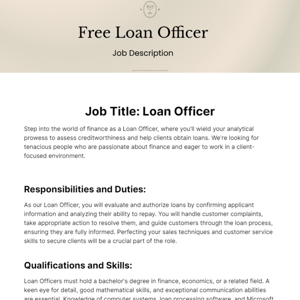
Typical education needed (high school diploma minimum, but many have college or finance degrees)
-
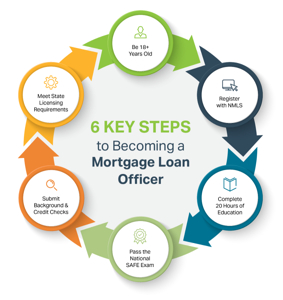
Necessary licenses and certifications (NMLS for mortgage loan officers)
-
How the licensing process goes — courses, exams, background checks
-
Personal insight on the importance of preparation and persistence (“Honestly, it’s not a walk in the park, but totally doable with the right mindset!”)

Step 2: Must-Have Skills to Ace This Role
-
Top skills like communication, sales savvy, detail orientation, and customer service
-
Tips on developing these skills (online courses, internships, practice)
-
Common misconceptions about required skills
-
Relatable example or short story about skill application
Step 3: Gain Relevant Experience
-
Entry-level jobs to consider (bank teller, loan processor, customer service in finance)
-
Internships and apprenticeships with financial institutions
-
How experience helps build client trust and industry know-how
-
Encouragement and anecdote about starting from scratch
Step 4: Nail the Job Search and Build Your Network
-
How to craft a standout resume highlighting relevant skills and education
-
Leveraging LinkedIn, networking events, and referrals
-
Tips for interviews specific to loan officer roles
-
Funny or human moment: “You’ll meet some characters, but hey, networking’s part of the game!”
Step 5: Continuing Education and Career Advancement
-
Importance of staying updated with loan regulations and market trends
-
Opportunities for specialization (commercial loans, FHA, VA loans)
-
Career progression possibilities (senior loan officer, loan manager, mortgage broker)
-
Personal insight into lifelong learning mindset
Common Challenges and How to Overcome Them
-
Handling rejection and difficult clients
-
Navigating complex loan regulations
-
Balancing sales goals with client care
-
Motivational advice and realistic perspective
FAQs: Quick Answers for the Curious Mind
-
How long does it take to become a licensed loan officer?
-
What is the average salary?
-
Do I need a college degree?
-
Can I become a loan officer without prior banking experience?
-
What personality traits make a great loan officer?
Conclusion: Your Next Steps to Become a Loan Officer
-
Recap the main points with a motivational nudge
-
Encourage readers to start small but dream big
-
Call to action: invite readers to share their questions, experiences, or goals in the comments
This outline balances storytelling, relatable insights, and practical steps in a conversational tone that invites engagement—all designed to perform well in Google’s search and AI-generated answer contexts. It uses natural LSI keywords like “loan officer skills,” “loan officer licensing,” “loan officer job search,” and more, integrated naturally in the final blog post.