
Loan for Bad Credit: How I Got Approved When Banks Slammed the Door
Let’s face it — nothing feels more humiliating than getting that dreaded “loan rejected” email. Been there, done that. I remember sitting in my kitchen, sipping over-brewed coffee, staring at my credit score like it personally offended me. It’s that awkward number that decides whether people trust you with money or not.
But here’s the kicker — bad credit doesn’t mean bad person. It means you’ve had financial hiccups (like everyone else, by the way). Maybe a job loss, maybe a medical bill avalanche. If you’ve been wondering, “Can I still get a loan with bad credit?” — sit tight. Because I managed to do exactly that, and I’m going to walk you through how you can too.
What Does “Bad Credit” Actually Mean?
Okay, story time first. A few years ago, I missed a couple of credit card payments. Add in a moment of “I’ll pay next month” optimism, and boom — my once-glorious score took a nosedive from 715 to 560. Talk about falling from grace.
In simple terms, bad credit means your credit score is below 580 (according to FICO). It’s basically the financial equivalent of being on the naughty list at Christmas. Lenders see you as a risky borrower — someone who might not repay on time.
The Truth About Why Banks Decline Bad Credit Loans
Banks are conservative creatures. They rely heavily on algorithms, statistics, and your credit history. If your report shows missed payments, defaults, or high credit utilization (above 30%), they freak out.
It’s not personal, but it sure feels that way. The irony? Those who need funds the most are often the ones who can’t get them easily.
By the way, traditional banks aren’t your only hope. There are innovative lenders, credit unions, and online platforms that see beyond the numbers. Let’s explore those, shall we?
How I Finally Got a Loan Despite My Messed-Up Credit
Here’s what actually worked for me — and no, it wasn’t some sketchy “instant loan” website that asks for your kidney.
-
I checked my credit report.
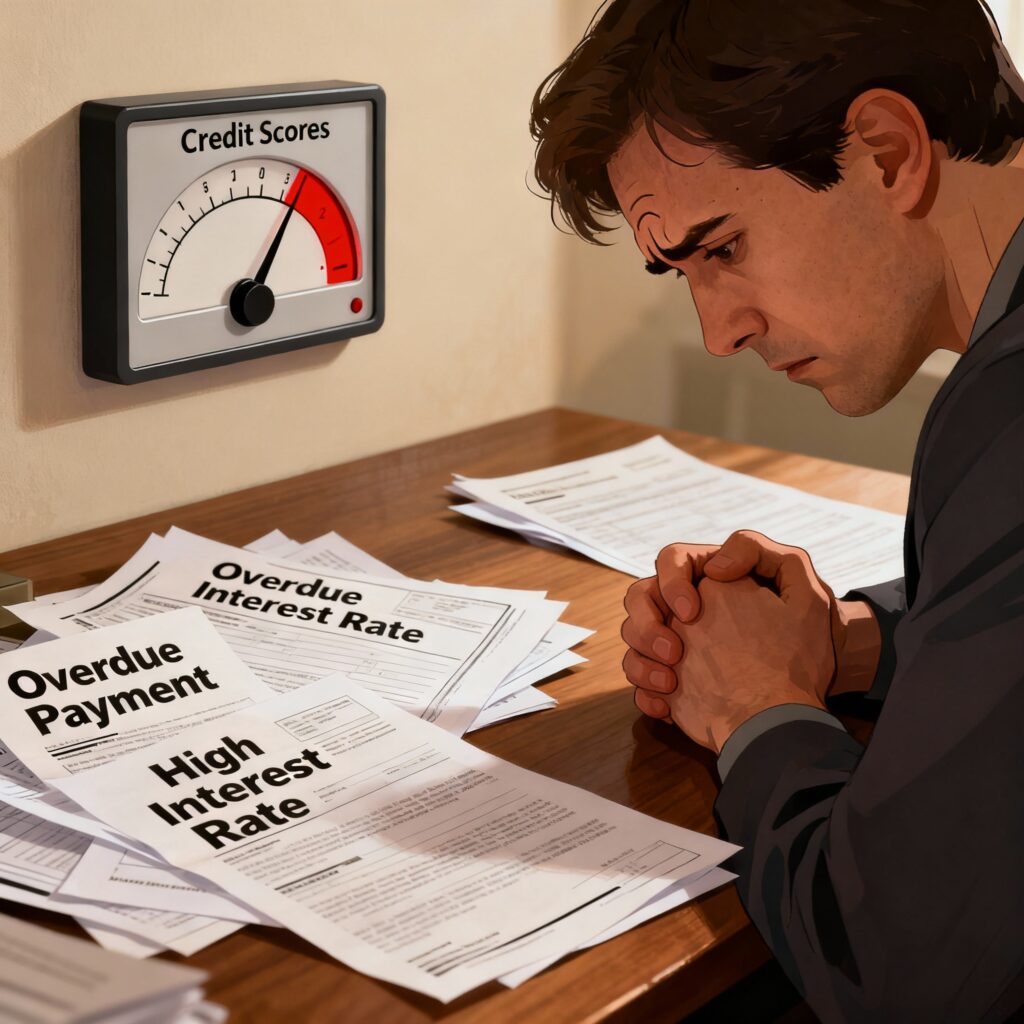
Start here. Seriously. A lot of people don’t realize how many reporting errors exist. Mine had an old collection account that was already paid — but it was still hurting my score.
-
I compared lenders.
Traditional banks laughed politely. But online lenders? They said, “Let’s see what we can do.” Always compare terms — interest rates, repayment periods, and fees. -
I applied for a secured loan.
I used my car as collateral. Scary? A little. But it gave me breathing room and a lower interest rate. -
I wrote a short explanation letter.
Don’t underestimate the power of being human. I explained my past job loss and how my situation had changed. Some lenders actually read that.
Different Types of Bad Credit Loans
Let’s break this down into digestible bits because “bad credit loan” can mean totally different things depending on where you’re standing.
1. Secured Personal Loans
You back up your loan with something valuable — a car, property, or savings. Lenders love this because it reduces their risk. You love it because it often means lower interest rates.
2. Unsecured Personal Loans
No collateral, higher risk, higher interest — but faster approval. Ideal if you need quick funds for emergencies like medical bills or urgent home repairs.
3. Credit Union Loans
These are like financial community hugs. Credit unions are not-for-profit, meaning their rates are usually fairer. You might need to join first, but it’s worth it.
4. Peer-to-Peer (P2P) Lending
Platforms like LendingClub or Prosper let real people invest in your loan request. It feels weird at first — but these investors often give second chances when banks don’t.
5. Payday Alternatives
Avoid those “payday loan” traps. Instead, look for payday alternative loans (PALs) offered by some credit unions. They’re designed for short-term cash needs with humane interest rates.
How to Improve Your Odds (Even With a Bad Score)
You might not fix your score overnight, but you can absolutely look more creditworthy. Here’s what I learned:
-
Show consistent income. Even freelance gigs count. Steady deposits help lenders trust your repayment ability.
-
Keep credit utilization below 30%. Don’t max out your cards.
-
Write an explanation. Context matters — a one-time medical emergency is very different from consistent late payments.
-
Add a co-signer. Borrow credibility if you need to (just make sure they actually trust you).
-
Start with smaller loans. Use them to rebuild. Timely payments over 6–12 months can actually revive your credit faster than you think.
Real Talk: Why Bad Credit Loans Can Be Tricky
Let’s not sugarcoat it — these loans can be expensive. Higher interest, stricter deadlines, and sometimes sneaky fees. The key is knowing what you’re signing.
If an offer sounds too good to be true, it probably is. Avoid lenders who:
-
Don’t check your credit at all.
-
Ask for upfront fees before approval.
-
Pressure you to sign “now or never.”
That’s classic predatory behavior. Run. Fast.
Expert Insights: What Financial Advisors Say
I once spoke to a local financial counselor who said something that stuck with me:
“Your credit score tells your history. But lenders should also care about your direction.”
In other words, building trust isn’t about being perfect. It’s about proving that your financial future looks stronger than your past.
According to financial advisor Lisa Nguyen, focusing on consistent payment history and open communication with lenders can help rebuild your credibility. “Transparency goes a long way,” she said. “When you explain your story upfront, lenders often work with you instead of against you.”
FAQs About Loans for Bad Credit
Can I get a personal loan with a 500 credit score?
Yes, but your options are limited. Look for online lenders or secured loans. Expect higher interest rates, but negotiate terms whenever possible.
Will applying for multiple loans hurt my credit?
Kind of. Each hard inquiry can slightly lower your score. Use a loan comparison tool that performs soft checks instead.
How long until my credit improves after a bad credit loan?
If you make on-time payments, you might see improvements within three to six months. Consistency is king.
Should I pay off small debts before applying?
Absolutely. Lowering your debt-to-income ratio improves your approval odds instantly.
My Final Verdict: Hope Isn’t Lost
Bad credit sucks — let’s not pretend otherwise. But it’s not the end of your financial story. I got rejected multiple times, and today my credit score has climbed back to 680. Not perfect, but miles better.
The moral? Persistence beats perfection. Whether you’re applying for a modest $1,000 or a $10,000 personal loan, honesty, consistency, and a bit of comparison shopping can open doors you thought were locked.