
Mutual Funds on Semiconductor: Investing in the Brains of the Modern World
Take a look around you — your phone, laptop, car, even your washing machine has one thing in common: semiconductors. They’re the unsung heroes powering our digital world. And if you’ve noticed how fast technology is evolving, you can bet the semiconductor industry is quietly driving that revolution.
But here’s the real kicker — while everyone’s talking about AI stocks and EV companies, few people realize you can invest indirectly in this golden sector through mutual funds focused on semiconductors.
So, if you’ve ever wanted to get a slice of that boom without having to individually pick NVIDIA, AMD, or TSMC, this might be your perfect entry point.
Wait, What Even Are Semiconductor Mutual Funds?
Before we jump into the details, let’s strip things down to the basics.
A semiconductor mutual fund is a specialized type of equity fund that invests in companies involved in designing, manufacturing, and supplying semiconductor chips, equipment, and related components.
In simple words — while you’re scrolling through memes, these funds are quietly backing the technology that makes the scrolling possible.
You’re not just buying a tech fund; you’re buying into the backbone of every piece of modern electronics we rely on.
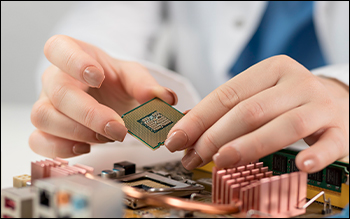
Why Everyone’s Buzzing About Semiconductors Right Now
Honestly, if semiconductors were people, they’d be the rockstars of the 21st-century economy — always in demand, always in the news.
The market has witnessed explosive growth due to three unstoppable trends:
-
AI (Artificial Intelligence) – GPUs and AI chips are the engines of machine learning.
-
Electric Vehicles – EVs pack three times more chips than traditional cars.
-
Internet of Things (IoT) – From smart refrigerators to voice assistants, everything needs silicon brains.
By the way, when global chip shortages hit in 2021, it wasn’t just tech giants sweating. Entire industries felt the pain. That shortage became a wake-up call — chips are the new gold.
So investing in semiconductor-focused mutual funds isn’t just hype; it’s strategic foresight.
Why Invest in Semiconductor Mutual Funds Instead of Individual Stocks?
You could load your portfolio with NVIDIA, Intel, or AMD shares. But here’s the deal — semiconductors are cyclical. Prices boom, then crash. Predicting those cycles is like trying to guess when the next iPhone will drastically change your life.
That’s where mutual funds come to the rescue.
-
Diversification: One fund gives you exposure to dozens of semiconductor giants — including equipment makers, designers, and foundries.
-
Professional management: Fund managers track the market closely, so you don’t have to.
-
Lower risk: When one company dips, others in the portfolio can offset the loss.
Think of it as joining an all-star tech team instead of betting on one player.
A Personal Anecdote: My Lightbulb Moment
I’ll never forget my “aha!” moment with semiconductors. Back in 2020, when work-from-home boomed, I noticed global chip manufacturers were suddenly trending. Everyone was scrambling for more GPUs, laptops, and servers. So, I invested in a technology mutual fund that quietly held semiconductor heavyweights like ASML and Taiwan Semiconductor Manufacturing Company (TSMC).
Within months, the fund’s value surged. It wasn’t luck — it was the semiconductor wave. And since then, I’ve made sure at least one of my funds has exposure to this space.
Sometimes, you don’t need to be an engineer to spot a good opportunity — just someone who notices how the world’s changing.

How Semiconductor Mutual Funds Work
Semiconductor mutual funds are sector-specific, meaning they focus primarily on one industry — the semiconductor supply chain.
Here’s what happens behind the scenes:
-
The fund pools money from investors.
-
It invests in a mix of semiconductor manufacturing, chip design, and production equipment companies.
-
Professional fund managers handle the allocation depending on trends, growth, and corporate outlook.
Categories often include:
-
Device manufacturers like Intel, AMD, and Micron.
-
Foundries such as TSMC and GlobalFoundries.
-
Equipment suppliers like Applied Materials and ASML.
-
Electronic design automation firms like Synopsys and Cadence.
When chip demand rises, these interconnected players benefit together — and so do you.
Key Semiconductor Mutual Funds Worth Exploring
If you’re looking to start, here are some of the top-performing semiconductor-focused mutual funds and ETFs you can explore (based on market data up to mid-2025).
| Fund Name | Type | Expense Ratio | Primary Holdings | Suitability |
|---|---|---|---|---|
| Fidelity Select Semiconductors Portfolio (FSELX) | Mutual Fund | 0.68% | Nvidia, Broadcom, Texas Instruments | Aggressive investors |
| VanEck Semiconductor ETF (SMH) | ETF | 0.35% | TSMC, Intel, ASML | Moderate-to-high risk appetite |
| iShares Semiconductor ETF (SOXX) | ETF | 0.35% | Qualcomm, AMD, NVIDIA | Long-term growth |
| Invesco Dynamic Semiconductors ETF (PSI) | ETF | 0.56% | Marvell, ON Semiconductor | Diversified exposure |
| T. Rowe Price Global Technology Fund | Mutual Fund | 0.78% | Mix of global tech, 25% semiconductor exposure | Balanced portfolio seekers |
While ETFs are technically different from mutual funds, they both serve similar roles — giving you diversified semiconductor exposure without micromanaging stocks.
Benefits of Semiconductor Mutual Funds
So, what makes this category so exciting beyond the “tech buzz”? Let’s break it down in plain language.
-
Sector growth potential: Analysts predict the global semiconductor industry could surpass $1 trillion by 2030.
-
Long-term tailwinds: Digital transformation, AI, EVs — all roads lead to chips.
-
Global diversification: Most funds invest across US, Taiwan, South Korea, and Europe, spreading geopolitical risk.
-
High innovation: From nanotech to self-driving chips — this sector never sleeps.
Honestly, if investing were a movie, semiconductor funds would be that reliably thrilling sequel that delivers every time.

Risks You Shouldn’t Ignore
Of course, not every shiny thing is gold (or in this case, silicon).
Semiconductor mutual funds come with their fair share of risks — and you need to know them:
-
Volatility: Semiconductor demand fluctuates with consumer trends and global supply chains.
-
Geopolitical risk: Many key players are centered in politically sensitive regions like Taiwan and China.
-
Cyclicality: The sector sees strong booms followed by dips when supply overshoots demand.
-
Technology risk: New technologies may disrupt existing leaders.
Think of it as investing in Formula 1 — exciting, fast-moving, and full of competition. Great returns, but not for the faint-hearted.
Expert Insights: Where the Industry Is Heading
According to Intel’s 2025 market analysis, semiconductor demand is projected to grow 9–10% annually through the decade. AI processors and data-center chips are expected to contribute most of this expansion.
Meanwhile, global governments are realizing how strategic this industry is — the U.S. CHIPS Act and India’s Semiconductor Mission are perfect examples. That’s not just a headline; it’s validation that chip production is a national priority now.
Experts believe this trend will keep fund inflows strong and sustain long-term performance.
How to Invest in Semiconductor Mutual Funds
Ready to put some skin in the game? Here’s how you do it step-by-step:
-
Choose your gateway: You can invest via brokerage accounts like Fidelity, Schwab, or online platforms like Groww for global ETFs.
-
Pick your format: Decide whether you want a sectoral mutual fund or a semiconductor ETF.
-
Assess your risk appetite: Semiconductor funds suit medium to high-risk investors.
-
Go SIP or lump sum: SIPs (Systematic Investment Plans) are perfect for averaging out volatility.
-
Monitor quarterly: Keep track of market news, fund performance, and semiconductor demand cycles.
By the way, watching semiconductor news becomes addictive — it’s like checking earnings season drama, but with solder and silicon.

SIP vs Lumpsum: My Take
I’ve tried both approaches. SIPs give you peace of mind when markets swing, helping you buy more units when prices dip. Lump-sum, on the other hand, can supercharge returns if your timing’s right.
If you’re new, I’d recommend starting with SIPs. Once you understand the pulse of the sector, you can add lump-sum investments during dips.
Think of SIP as your “slow cooker approach” to wealth — steady, reliable, and deliciously rewarding over time.
Semiconductors: The Beating Heart of AI and Tech
You can’t talk about semiconductors without mentioning AI, automation, or quantum computing. From ChatGPT’s servers to Tesla’s autopilot chips, it all runs on silicon.
The next few years will only deepen this integration. So, investing in semiconductor-focused funds isn’t just buying into technology; it’s buying into humanity’s digital evolution.
And here’s a crazy realization: 20 years ago, chips powered computers; today, chips power everything.
Should You Add Semiconductor Funds to Your Portfolio?
If your portfolio is heavy on banks, FMCG, or traditional industries, semiconductor funds bring the excitement of tech-driven growth.
That said, balance is key. Keep it under 10–15% of your portfolio unless you’re a tech enthusiast comfortable with volatility. Use these funds to capture innovation — not gamble with your life savings.
Remember, this sector may fluctuate, but over time, tech adoption has a powerful way of pulling charts upward.
Common FAQs About Semiconductor Mutual Funds
1. Are semiconductor funds high-risk?
Yes, they’re cyclical and can swing with technology demand and global supply issues. But over the long term, the structural demand remains strong.
2. What’s the minimum amount to invest?
Most mutual funds or ETFs can be started with around $50–$100 monthly via SIPs, depending on your platform.
3. How are semiconductor mutual funds taxed?
They’re taxed as equity funds. Short-term gains (under a year) attract higher rates, while long-term capital gains (after one year) typically have lower tax rates.
4. What’s better: ETF or mutual fund?
ETFs are great for real-time trading and lower costs. Mutual funds suit investors who prefer systematic monthly investing without worrying about timing.
5. Are there Indian semiconductor mutual funds?
Currently, India has thematic technology funds with partial semiconductor exposure — for example, Nippon India Technology Fund or ICICI Prudential Technology Fund.
My Final Thought: Bet Smart, Not Blind
Semiconductors are the soul of today’s innovation economy. Investing in them is like backing the engine that drives the future.
But like every tech sector, it demands patience, understanding, and emotional discipline. When prices drop, don’t panic — when they rise, don’t get greedy.
Honestly, few things are as rewarding as watching your portfolio grow alongside technological progress. Every time your smartphone gets faster or AI gets smarter, somewhere in your mutual fund — your money’s growing too.
So, whether you’re a first-time investor or a portfolio tinkerer, semiconductor mutual funds deserve a serious look.
Because while others are chasing trends, you’ll be investing in the trendmaker itself.
Ready to Join the Revolution?
If this guide helped you understand mutual funds on semiconductors better, leave a comment below! Share whether you’ve already invested in this space—or if this article gave you the push you needed. Let’s make sense of silicon, together.