
Mutual Funds Over ETFs: Why Some Investors Still Prefer the Classic
You’ve probably heard the buzz going around: Exchange-Traded Funds (ETFs) are all the rage. Low fees, flexibility, intraday trading—the list goes on. But hold your horses! Before you jump on the ETF bandwagon, let’s hit pause and chat about why mutual funds still hold a special place in the hearts (and portfolios) of many investors.
Honestly, both mutual funds and ETFs have their charm, but today, this story is about mutual funds—the old, wise, and perhaps more patient cousin you didn’t expect to root for. Ready to dive in? Buckle up; this ride’s got a personal touch sprinkled with expert insights.
What’s the Big Deal With Mutual Funds?
Imagine mutual funds as well-coordinated orchestras led by experienced conductors (the fund managers). They pool money from tons of investors and invest that collective pot into diverse assets. Sure, you can’t trade mutual funds every second like you do ETFs, but the active management can sometimes beat passive strategies.
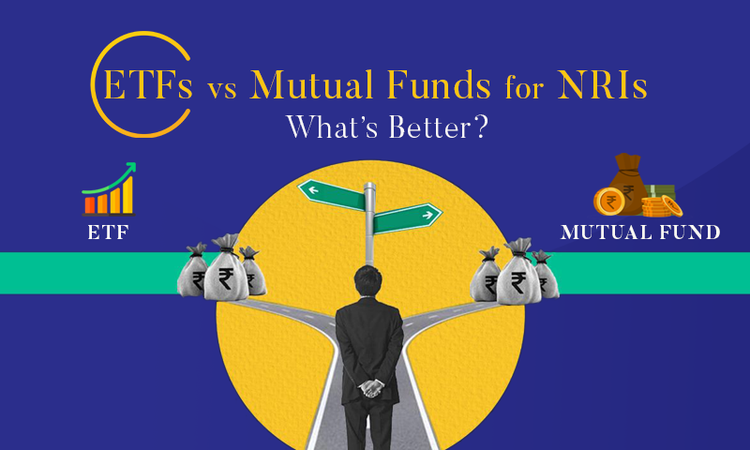
By the way, mutual funds come in various flavors—equity, debt, hybrid, that adapt to different risk appetites and goals. Intrigued yet?
Why Some Investors Still Pick Mutual Funds Over ETFs
1. Active Management Wins Hearts
While ETFs mostly mirror indexes like the Nifty 50 or S&P 500, many mutual funds are actively managed. Skilled fund managers analyze markets, hunt opportunities, and tweak portfolios to maximize returns.
Remember Rahul, my colleague who switched to a well-managed mutual fund after dabbling in ETFs? He says it’s like having a personal coach guiding your investments—not just autopilot.
2. Systematic Investment Plan (SIP) Magic
Mutual funds shine with SIPs—small monthly investments that build wealth steadily. By the way, SIPs let you avoid the dreaded “timing the market” game. ETFs don’t have SIPs natively, making mutual funds friendlier for disciplined savers.
3. Lower Cost for Long-Term Investors
Yes, ETFs boast low expense ratios, but trading ETFs regularly incurs brokerage fees. For buy-and-hold investors, mutual funds’ expense ratios often balance out when factoring all costs.
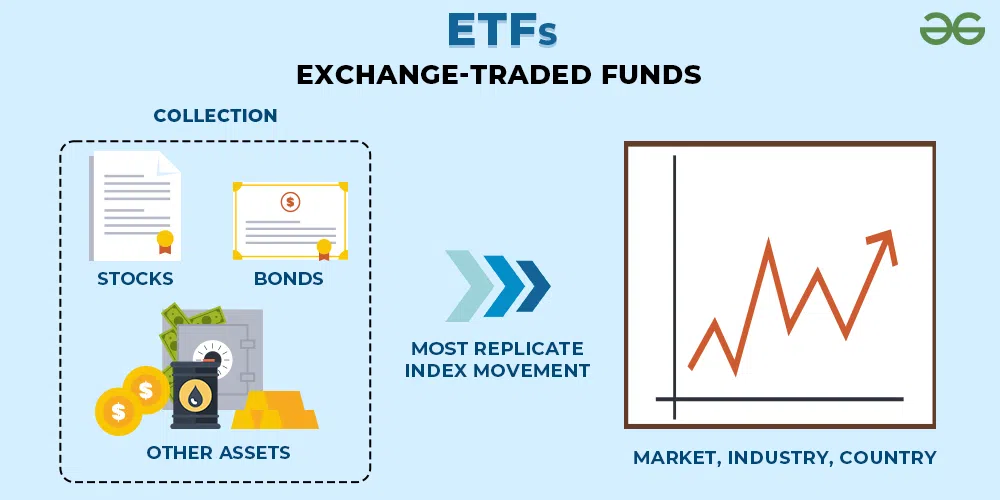
Mutual Funds Offer More Investment Variety
Want to invest in mid-cap, sector-specific, or debt funds? Mutual funds typically provide more nuanced options than ETFs, which mostly focus on broad market indexes.
You could say mutual funds are like a buffet with varied dishes, while ETFs might be more of an ala carte menu.
Convenience and Accessibility
Mutual funds are straightforward to buy through platforms, apps, or direct with fund houses. Plus, many offer features like automatic dividend reinvestment or goal-based investing.
By contrast, ETFs require a demat and trading account and knowledge about market timings—extra hassle for beginners.
Taxation Tales: Digging Into Mutual Funds vs ETFs
Here’s an area that can make your head spin. Mutual funds and ETFs have subtle differences in taxation depending on the country and asset class.
In India, for instance, equity mutual funds and ETFs face similar long-term capital gains (LTCG) tax regimes, but mutual funds offer some benefits in terms of redemption and holding periods.
Taxes aren’t just about rates—they influence your exit strategy, so getting familiar with nuances helps.

When Do ETFs Make More Sense?
Before we get too mutual fund-heavy, it’s fair to say ETFs have their charm:
-
Intraday trading flexibility
-
Lower expense ratios for passive tracking
-
Instant diversification with single trades
So, if you’re an active trader or just like the idea of transparency and trading freedom, ETFs could be your jam. But if you’re in it for the long haul with professional management, mutual funds deserve a good look.
Investor Personality: Which One Fits You?
| Feature | Mutual Funds | ETFs |
|---|---|---|
| Trading | End-of-day NAV price | Intraday Market price |
| Management style | Active or Passive | Mostly Passive |
| Investment Minimum | Low SIP amounts | Usually full share price |
| Costs | Moderate expense ratios + no brokerage | Low expense ratios + brokerage fees |
| Suitable For | Long-term investors, beginners | Traders, cost-conscious investors |
Personal Anecdotes: When Mutual Funds Saved the Day
I once saw a friend stuck in the illusion that ETFs were the only smart choice. After a market dip, her unmanaged ETF portfolio fluctuated wildly. Meanwhile, her dad’s actively managed mutual funds buffered those shocks better.
By the way, it all boils down to your risk tolerance, goals, and comfort with market swings.
How to Choose a Mutual Fund Wisely
-
Check the fund manager’s track record.
-
Understand the fund’s investment strategy (equity, debt, hybrid).
-
Look at the expense ratio and exit loads.
-
Read recent portfolio holdings and performance reports.
-
Match fund goals with your personal financial aims.
FAQ Section
What’s the main difference between mutual funds and ETFs?
Mutual funds are mostly actively managed with end-of-day pricing, while ETFs are passive, traded on exchanges throughout the day.
Can I start investing in mutual funds with a small amount?
Yes! SIPs allow starting investments as low as ₹500 monthly, making it beginner-friendly.
Which is better for long-term wealth creation?
Both can work, but actively managed mutual funds often have the edge in adapting to market changes for long-term gains.
Do mutual funds have higher fees?
They tend to have slightly higher expense ratios due to active management but avoid brokerage fees on transactions.
Are mutual funds riskier than ETFs?
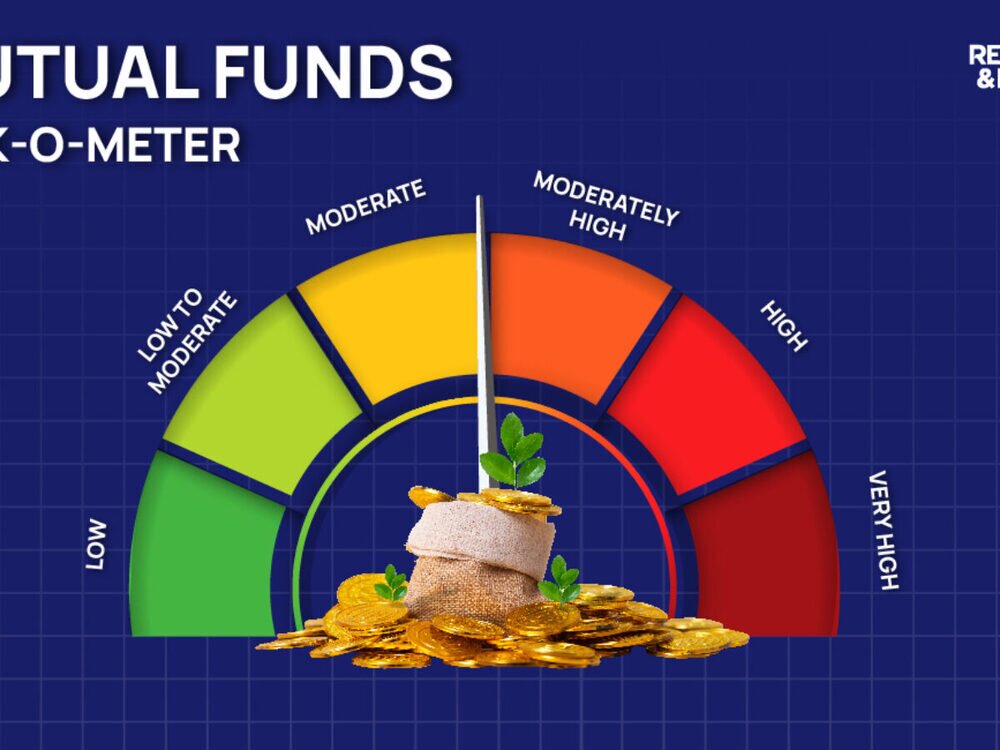
Risk depends more on the asset allocation and market conditions than on the format of the fund.
Final Thoughts: Mutual Funds or ETFs? Why Not Both?
Honestly, the debate isn’t about which is outright better—it’s about what suits you best. Mutual funds bring the warmth of expert guidance, steady SIP discipline, and diverse options. ETFs offer sleek cost-efficiency and trading freedom.
By the way, many savvy investors mix both to balance hands-on control with professional management.
Call to Action
What’s your take? Are you Team Mutual Fund, Team ETF, or somewhere in between? Share your investing journey, wins, or confusions below! And if you found this post helpful, give it a share to help your fellow investors make informed choices.