
What Is Loan Modification? (In Plain English)
Loan modification is when your lender changes the terms of your existing loan so your EMIs or monthly payments become easier to handle. Instead of taking a new loan (like refinancing), your old loan is reshaped—same loan, new rules.
Think of it like altering a shirt that’s suddenly too tight: you’re not buying a new one, just adjusting it so you can breathe again. Lenders usually offer this when you’re in genuine financial stress but still want to repay, not run away.
Loan Modification vs Refinancing: What’s the Difference?
People often mix these up, and honestly, the jargon doesn’t help.
-
Loan modification: Your current loan’s terms are changed—interest rate, tenure, EMI structure, etc., within the same contract.
-
Refinancing: You close the old loan by taking a new loan (often from the same or a different lender) with fresh terms.
By the way, if your credit score has tanked or you’re already behind on EMIs, modification is usually more realistic than refinancing, because new lenders don’t love “trouble cases”.

When Does a Loan Modification Make Sense?
You don’t ask for modification just because you “feel like paying less”. Lenders expect real reasons.
You should consider it when:
-
You’ve had a pay cut, job loss, medical emergency, or business slowdown.
-
You’re missing EMIs or are about to start defaulting.
-
You still want to repay, but the current EMI is simply not sustainable.
In 2025, many lenders (under tighter regulatory frameworks) are encouraged to offer restructuring or modification before jumping straight to aggressive recovery. That includes options like tenure extension, EMI moratorium, or restructuring under RBI-style borrower‑protection guidelines.
Types of Loan Modification (The “Toolbox” Lenders Use)
1. Reducing the Interest Rate
This is the fan favourite.
The lender permanently or temporarily cuts your interest rate so your monthly instalment drops.
-
Example: 14% becomes 10%, bringing EMI down and total interest paid (if tenure unchanged).
-
Sometimes it’s a “teaser” reduction for a few years, then a reset to a slightly higher rate later.
Honestly, even 1–2% lower can feel like removing a brick from your chest every month.
2. Extending the Loan Tenure
Here, the lender stretches your repayment period—say from 5 years to 8 years.
-
EMI reduces because the same amount is spread over more months.
-
But: you usually pay more total interest over the full life of the loan.
Think of it like paying for a pizza on instalments—tiny bites, longer time, extra “interest toppings”.
3. Changing the EMI Structure (Step-Up / Step-Down / Balloon)
Instead of a flat EMI, the lender can reshape the flow.
-
Step-down EMI: Higher now, lower later (useful if you’re struggling today and expect lower commitments later).
-
Step-up EMI: Lower now, higher later (if you’re early in your career and expect income growth).
-
Balloon payments: Normal EMIs now, one big chunk at a defined time (useful if you expect a bonus or asset sale).
This can be powerful for self-employed folks or business owners with seasonal income.
4. Moratorium / Payment Holiday
In a moratorium, your lender lets you pause or partially pay EMIs for a limited period if you’re in distress (job loss, medical crisis, etc.).
-
EMIs resume later, and interest often keeps getting added during the break.
-
It’s relief, not free money—your overall cost may rise.
By the way, central-bank style guidelines in many countries now push lenders to offer such flexible options before going hard on recovery.

5. Converting Overdues or Type of Loan
Sometimes, your overdue EMIs and penalties are bundled into a new structured term loan, or your unsecured loan is converted into a secured loan with collateral in return for better terms.
-
Overdue → New structured loan with clear schedule.
-
Unsecured → Secured (say, backed by property or FD) → Lower interest, longer tenure.
For business loans especially, this combo of restructuring + modification is common in 2025.
6. Principal Reduction (Rare but Gold)
In exceptional hardship scenarios, lenders may agree to reduce a part of the principal you owe.
This usually happens in:
-
Severe financial distress.
-
Regulatory or special relief schemes.
-
Where the alternative (legal recovery, auction, etc.) is costlier than sharing the pain.
Don’t bank on it, but if you have a strong hardship story + clean intent, it’s sometimes on the table.
How Loan Modification Actually Works (Step-by-Step)
Let’s dive in with a simple roadmap.
Step 1: Contact Your Lender Early
If you’re waiting for three bounced EMIs and a legal notice… that’s already late.
Reach out as soon as you anticipate trouble—job loss risk, business slowdown, big medical bills.
-
Use official channels: branch visit, customer care, email.
-
Clearly say you’re seeking loan modification/restructuring, not dodging repayment.

Step 2: Gather Your Documents
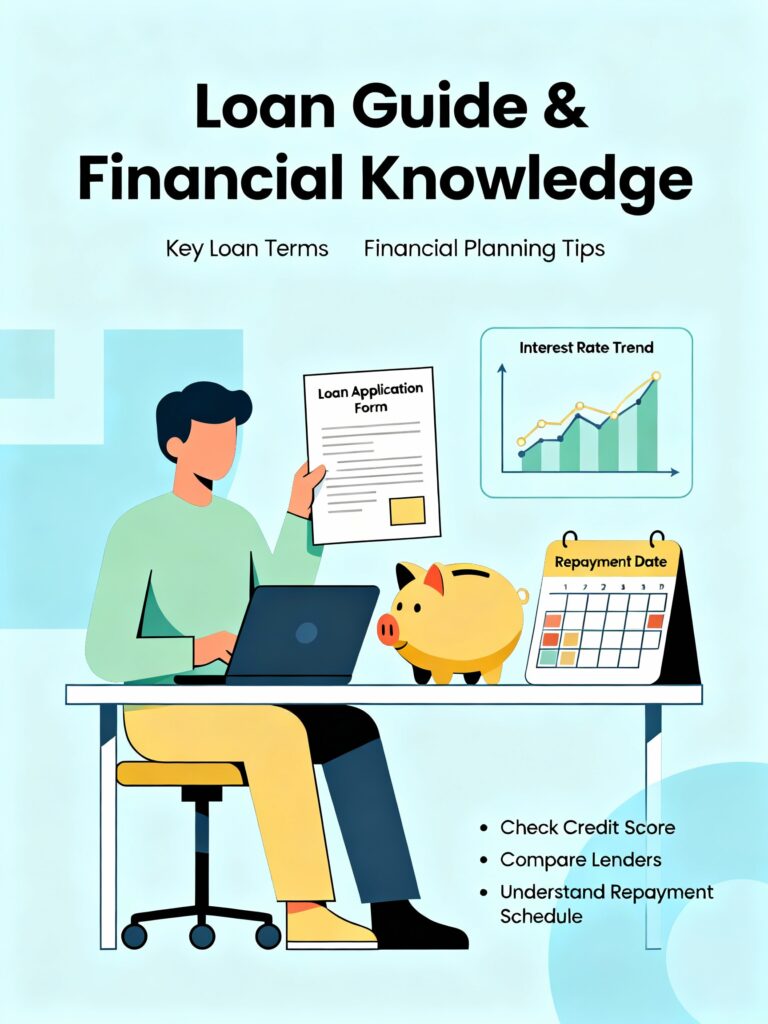
Lenders don’t work on vibes; they need proof. Typical documents include:
-
Latest salary slips or income statement.
-
Bank statements (3–12 months).
-
Tax returns (for self-employed).
-
Loan statement and EMI track.
-
Proof of hardship (termination letter, hospital bills, business loss summary).
By the way, a short, honest hardship letter in plain language goes a long way.
Step 3: Fill the Modification / Restructuring Form
Most lenders now have a structured application—some even allow online submissions.
You’ll usually specify:
-
Why you can’t continue current EMIs.
-
What kind of help you’re seeking (lower EMI, tenure extension, rate cut, moratorium).
-
Your updated monthly income and expenses.
This is where you must be realistic. Asking to cut your EMI to 10% of your income won’t sound credible.

Step 4: Lender’s Evaluation
Next, the lender’s credit and risk teams crunch the numbers.
They check:
-
Your current and past repayment behaviour.
-
Your income trend and stability.
-
Whether a modified structure reasonably ensures you can pay.
There is no guaranteed approval—even in 2025, lenders are told to be fair, not blind.
Step 5: Offer, Negotiation, and Trial Period
If they’re on board, they’ll propose revised terms: maybe lower rate + longer tenure + changed EMI schedule.
-
Read everything carefully.
-
Ask questions about impact on total interest, foreclosure rules, and late fees.
-
Some lenders may require a few months of trial EMIs on the proposed schedule to confirm you can manage.
Honestly, treat this like signing a new job offer—no casual skimming.
Step 6: Agreement & Implementation
Once you sign the modification agreement, the new terms kick in.
-
Your EMI mandate may be updated.
-
Future statements will show the revised schedule.
-
Missing payments on the new plan can hurt your credit even more, so this is not a “reset button”; it’s a second chance.

Pros and Cons of Loan Modification
Big Advantages
-
Lower EMIs: The biggest win—better cash flow in tough times.
-
Avoiding default / legal action: Staying out of NPA territory or collections agents.
-
Credit score damage control: Late payments still hurt, but a structured modification is usually better than long-term default.
For many borrowers in 2025, modification is literally the gap between “manageable struggle” and “financial freefall”.
Hidden Downsides
-
More total interest: Longer tenure = more interest over time, even if EMI feels light today.
-
Credit report note: In some systems, modification or restructuring is flagged, which can make future lenders cautious.
-
Not guaranteed: Lenders can reject if they think even modified terms are unviable.
By the way, treating modification like free money is the fastest way to regret it later.
Does Loan Modification Affect Your Credit Score?
Short answer: usually yes, but how it affects you depends on timing and structure.
-
If you apply before heavy delays and then pay perfectly under new terms, damage can be limited.
-
If you already have many missed EMIs, those marks stay—but modification can stop things from getting worse.
-
In some markets, “restructured” flags can reduce future credit access, but far less damaging than charge‑offs or write‑offs.
Think of it as choosing a controlled surgery instead of ignoring the problem until it becomes life‑threatening.
Loan Modification for Different Loan Types
Home Loans
Home loan modification often focuses on:
-
Lowering interest rates.
-
Extending tenure (e.g., from 20 to 25–30 years).
-
Switching from fixed to floating or vice versa.
Because home loans are secured, lenders are often more open to negotiations than with pure unsecured products.
Personal Loans
Unsecured personal loans are trickier, but 2025 has seen more restructuring options:
-
Stretching tenure to reduce EMI.
-
Combining multiple personal loans into one structured repayment plan.
-
Offering short moratoriums during documented hardship.
These are often wrapped under “personal loan restructuring” more than formal “modification”, but the effect is similar.
Business Loans
For small business owners, loan modification can literally save a company.
Common tools include:
-
Extending tenure on term loans.
-
Restructuring working-capital limits.
-
Converting overdue or revolving dues into term loans with clear EMIs.
-
Tweaking interest rates or EMI schedules to match seasonal cash flow.
Regulatory frameworks often provide special restructuring windows—especially after big economic shocks.

Practical Tips Before You Ask for a Loan Modification
-
Do a reality check
List your income, fixed expenses, and a realistic EMI you can sustain for at least 12–24 months. -
Ask for a proper amortization sheet
See the total interest and tenure under proposed modification vs your current plan. -
Prioritise essential loans
Home loans or secured loans tied to critical assets often deserve top priority. -
Don’t stop paying without talking
Silent non‑payment triggers harsh recovery steps; early communication can unlock flexible options. -
Consider neutral advice
A fee‑only financial planner or counsellor can sanity‑check whether modification truly helps you long term.
Frequently Asked Questions About Loan Modification
1. What is loan modification in simple terms?
Loan modification is a permanent change to your existing loan’s terms—like interest rate, tenure, or EMI schedule—to make repayments more affordable without taking a new loan.
2. Is loan modification the same as refinancing?
No. Modification changes the same loan; refinancing replaces it with a new loan—often from another lender or on entirely fresh terms.
3. Who is eligible for loan modification?
Typically, borrowers who:
-
Are facing genuine financial hardship.
-
Can still show some repayment capacity under modified terms.
-
Are willing to share documents and cooperate with the lender’s process.
Each lender has its own policy, and approval is never automatic.
4. How do I apply for a loan modification?
-
Contact your lender and request modification / restructuring options.
-
Submit income proofs, bank statements, hardship documents, and a formal application.
-
Complete any trial EMIs and sign the revised agreement if approved.
5. Can loan modification hurt my credit score?
It can, but usually less than long‑term default or legal recovery. Missed EMIs before modification and any “restructured” flags may affect future credit decisions, but keeping up with the new plan helps rebuild stability over time.
6. Is loan modification available for all types of loans?
Not always, but many lenders now offer modification or restructuring options for home loans, personal loans, business loans, and sometimes vehicle loans, especially under borrower‑friendly or regulatory guidelines.
Final Thoughts + Your Turn
Loan modification isn’t a magic eraser—it won’t delete your debt—but it can turn a crushing EMI avalanche into something you can actually live with.
If you’re already feeling the heat from EMIs, don’t wait for recovery calls to pile up. Talk to your lender, run the numbers, and see whether a smart modification could save your budget, credit, and peace of mind.