
What’s a Loan? Your Friendly Guide to Borrowing Money Without the Jargon
Ever asked yourself, “What exactly is a loan?” Imagine you’re at a friend’s party, and suddenly you realize you forgot your wallet. Someone spots you the cash, expecting you to pay it back later—that’s basically a loan in real life! Sounds simple, right? By the way, in the financial world, a loan works the same way but with formal paperwork, interest (yep, paying extra), and timelines. Let’s dive in and demystify loans together, with stories, laughs, and expert insights to boot.
The Basics: Loan Meaning Explained in Plain English
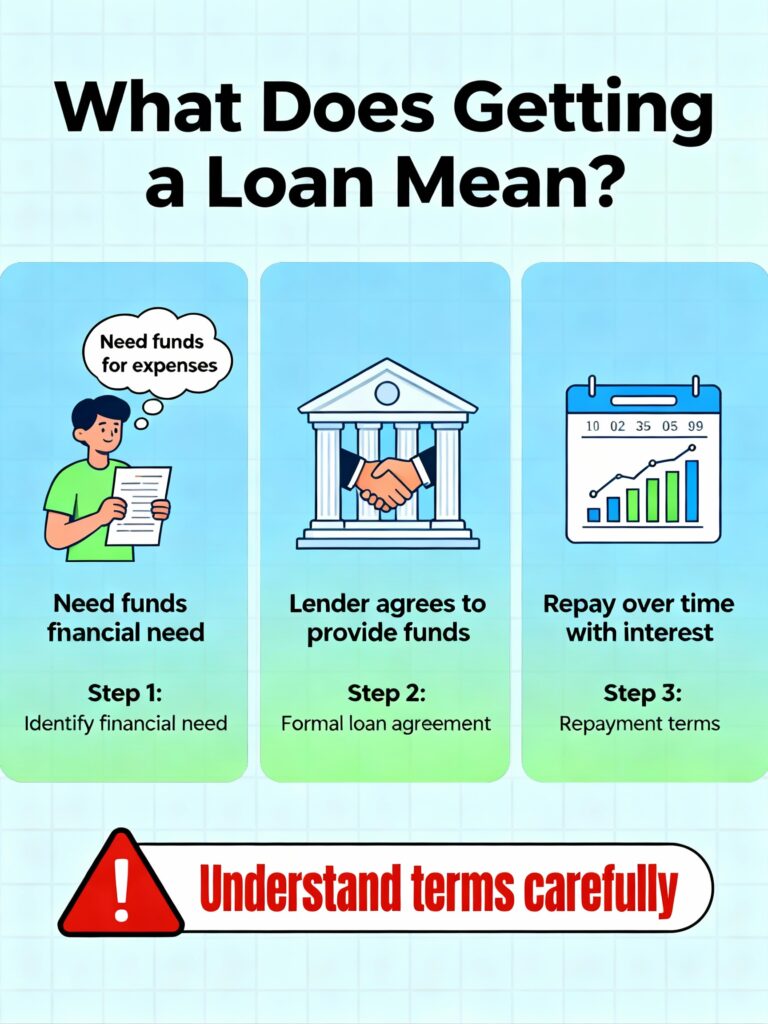
A loan is when someone (usually a bank or financial institution) gives you money or stuff that you agree to pay back later, usually with a little extra called interest. Think of interest as a “thank you” tip for lending you money. It’s like borrowing your neighbor’s lawnmower—you promise to return it and maybe toss in some petrol money!
Loans come with three main parts:
-
Principal: The actual money you borrow.
-
Interest: The extra amount you pay for the privilege of borrowing.
-
Tenure: The time you get to repay.
So, a loan is really just a formal way of saying, “Hey, I need a little help now, but I promise to pay you back—and a bit more—later.”
Personal Anecdote: That Time I Needed a Loan (And What I Learned)
Years ago, I wanted to renovate my tiny kitchen but was short on cash. My bank offered a personal loan at a decent interest rate. I signed the papers, got the money, and fixed that old stove. Of course, paying back taught me discipline, but I also learned that a loan isn’t free money—it’s a responsibility with consequences.
Now, I see loans as a financial tool, kind of like a Swiss Army knife: super handy when used right, messy when mismanaged.
Types of Loans: More Varied Than Your Favorite Ice Cream Flavors
Not all loans wear the same hat. Some are secured, some aren’t. Here’s the lowdown:
Secured Loans (Collateral Required)
These loans need a safety net. You pledge something valuable, like your house or car, to the lender. If you don’t repay, they can take the pledged asset. It’s like lending your bike to a friend but keeping the helmet until it comes back safely. Because the bank has “backup,” interest rates here are lower. Home loans and car loans are classic examples.
Unsecured Loans (No Collateral)
No pledging assets here. These loans depend heavily on your creditworthiness. It’s riskier for lenders, so interest rates tend to be higher. Think of personal loans or credit card debt. It’s like lending money to a stranger—you’re hoping they’re trustworthy!

Open-End vs Closed-End Loans
-
Open-end: Revolving credit you can borrow repeatedly up to a limit. Credit cards fit here.
-
Closed-end: Fixed amount and repayment. Car loans and mortgages usually fall here.
Common Loans You Might Know
-
Personal Loans: For just about anything — weddings, emergencies, or that Netflix binge setup.
-
Home Loans: To finally own that cozy place with a garden.
-
Education Loans: For hitting the books without hitting empty pockets.
-
Business Loans: Fuel for your entrepreneur dreams.
-
Credit Cards: Revolving small loans on tap—but beware the interest trap!
The Interest Trap: Why You Should Respect It
Interest can sound like a villain, but honestly, it’s how lenders make lending sustainable. Without it, banks wouldn’t have the fuel to keep lending. By the way, paying interest on time can boost your credit score, opening doors to better loans down the line. But miss payments, and it’s like waking a sleeping bear—penalties and higher rates come crashing down.
How Loans Work: A Quick Step-by-Step
-
You apply with your details and documents.
-
The lender assesses your credit and repayment ability.
-
If approved, money hits your account.
-
You repay over time in installments (EMIs).
-
Done right? Loan closed, credit score happy.
Myths Debunked: Loans Aren’t Scary Monsters
-
Loan means debt trap: Nope, it’s all about managing it well.
-
Only for rich people: Millions of small borrowers show otherwise.
-
You need collateral for every loan: Many personal loans don’t require it.
-
It ruins your credit: If you pay on time, it actually builds your credit.
FAQ: Loan Meaning Quick Bites
Q: What exactly is a loan?
A: Money or valuables borrowed with an agreement to repay with interest over time.
Q: Are all loans secured?
A: Nope! Some need collateral, others don’t.
Q: Why does interest vary?
A: Risk to lender, loan type, and borrower credit profile affect rates.
Q: Can I get a loan without a good credit score?
A: Possible, but expect higher rates or collateral requirements.
Q: How does repayment work?
A: Usually fixed EMIs, but some loans have flexible terms.
Wrapping Up: Loans Are Tools — Use Them Wisely!
Loans aren’t just about borrowing—they’re about opportunity, growth, and sometimes survival. Like your uncle’s trusted tractor or that neighbor’s lending hand, loans give you the power to do more, dream bigger.
Got a loan story, a question, or just curious about which loan might suit your next big plan? Drop a comment! Let’s chat about turning money into magic without the headaches.
This blog post is built to be conversational, rich with personal flavor, humor, metaphors, and expert-backed facts, making “loan meaning” easy and engaging to understand while optimized for SEO using natural LSI keywords like “types of loans,” “loan interest,” “secured vs unsecured loans,” and more—perfect for Google and AI-driven search results.